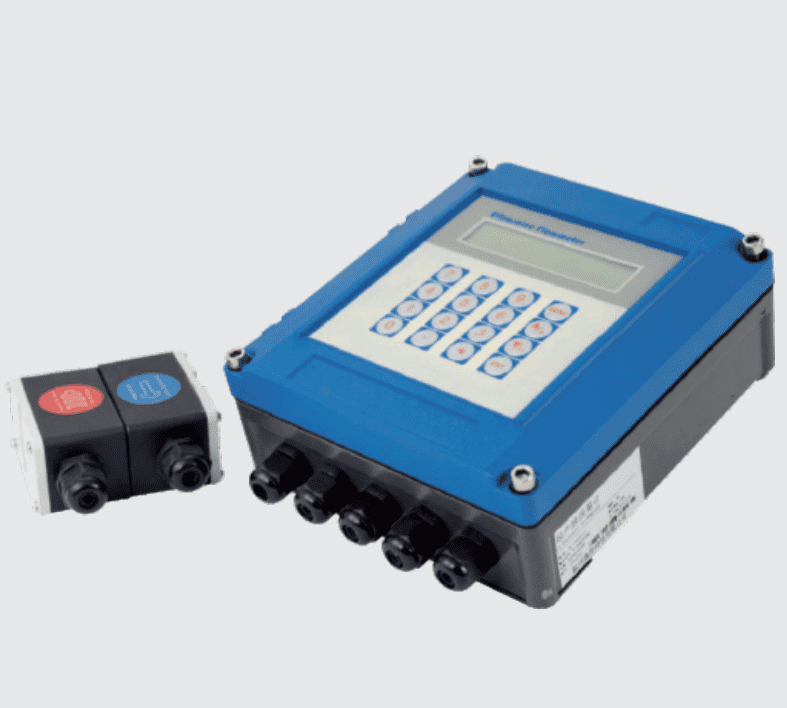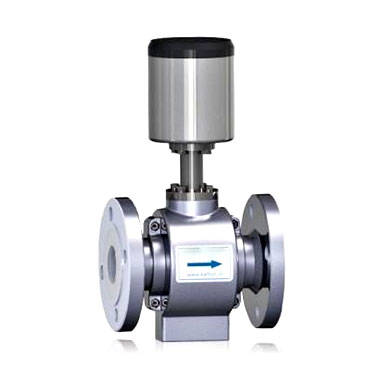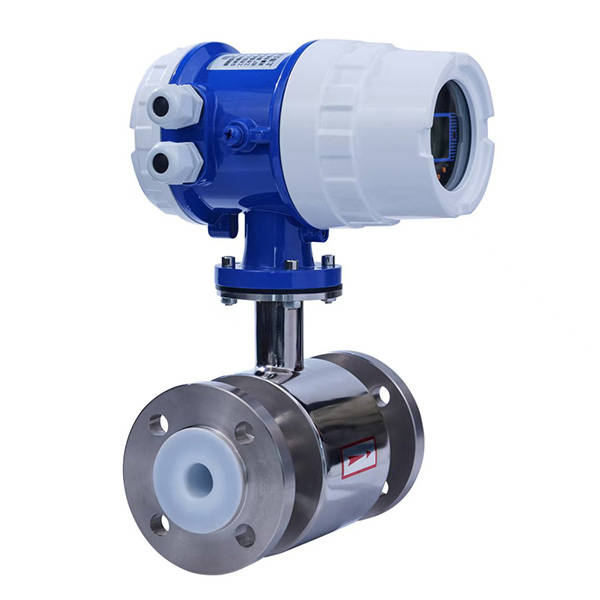
In modern industrial systems, flow measurement accuracy is essential, but pressure loss caused by measurement devices can also affect overall system efficiency. A no-pressure-loss inline flowmeter provides an optimized solution by minimizing flow resistance while maintaining accurate measurement performance.
Designed for applications where energy efficiency, stable operation and precise process control are important, advanced inline flowmeters help industries reduce unnecessary pressure drops, improve pipeline performance and maintain reliable production processes.
What Is a No-Pressure-Loss Inline Flowmeter?
A no-pressure-loss inline flowmeter is a flow measurement device designed to measure fluid flow with minimal impact on the existing pipeline pressure.
Unlike traditional flow measurement devices that may introduce additional resistance through internal structures or mechanical components, low-pressure-loss inline flowmeters optimize the internal flow path to allow smoother fluid movement.
The main goal is to achieve:
- Accurate flow measurement
- Minimal pressure reduction
- Lower pumping energy consumption
- Improved process efficiency
For industrial users, reducing pressure loss means less energy required to maintain flow rates, especially in continuous production systems.
Why Pressure Loss Matters in Flow Measurement Systems?
Pressure loss is an important consideration when selecting industrial flow measurement equipment.
Every additional restriction in a pipeline can create:
| Impact | Result |
|---|---|
| Increased pressure drop | Higher pump workload |
| More energy consumption | Increased operating costs |
| Reduced flow efficiency | Lower system performance |
| Additional maintenance requirements | Higher lifecycle costs |
In large-scale water systems, chemical processing lines and industrial production equipment, even small pressure losses can accumulate into significant energy consumption over time.
How Does a No-Pressure-Loss Inline Flowmeter Work?
A no-pressure-loss inline flowmeter achieves low resistance through optimized structural design.
Key technologies include:
Straight Flow Channel Design
A straight measuring tube creates a smoother fluid path and reduces turbulence inside the measurement section.
Benefits:
- Reduced flow resistance
- Lower pressure loss
- Easier cleaning
- Improved measurement stability
Straight tube Coriolis flowmeter designs are often used in applications requiring low pressure loss and gentle fluid handling because the full-bore structure minimizes flow restriction.
No Moving Parts Measurement Technology
Many advanced inline flowmeters use non-mechanical measurement principles.
Advantages:
- No mechanical wear
- Lower maintenance requirements
- Stable long-term operation
Direct Flow Measurement
Some advanced flowmeters can directly measure mass flow rather than relying only on volumetric calculation.
This helps improve accuracy when process conditions change.
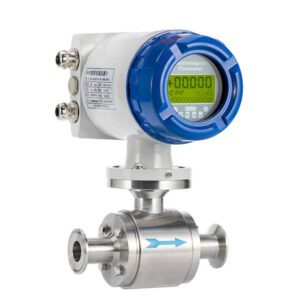
Key Benefits of No-Pressure-Loss Inline Flowmeters
1. Lower Energy Consumption
A major advantage of low-pressure-loss design is improved system efficiency.
When fluid can pass through the meter with minimal resistance, pumps and other equipment do not need to compensate for unnecessary pressure reduction.
This can help:
- Reduce operating costs
- Improve energy efficiency
- Optimize production systems
2. Accurate Flow Measurement
A high-quality inline flowmeter provides stable measurement performance even under changing industrial conditions.
Typical measurable parameters may include:
- Mass flow
- Volume flow
- Density
- Temperature
This makes it suitable for industries requiring precise process control.
3. Reduced Maintenance Requirements
No-pressure-loss inline flowmeters often feature simplified internal structures.
Benefits include:
- Less mechanical wear
- Lower risk of blockage
- Longer service life
- Reduced downtime
4. Space-Saving Installation
Many inline flowmeter designs allow flexible installation without requiring complex pipeline modifications.
This is especially valuable for:
- Compact production lines
- Automated systems
- Equipment upgrades
Applications of No-Pressure-Loss Inline Flowmeters
Food and Beverage Processing
Food manufacturers require accurate flow measurement while maintaining hygienic production conditions.
Applications include:
- Liquid ingredient measurement
- Beverage filling systems
- Food processing lines
Straight and easy-to-clean designs are commonly preferred for hygienic applications.
Chemical Processing
Chemical plants need reliable measurement solutions for:
- Chemical dosing
- Mixing processes
- Liquid transfer
Low pressure loss helps maintain stable process conditions.
Water Treatment
Applications include:
- Water distribution monitoring
- Wastewater treatment
- Industrial water management
Reducing pressure loss helps improve pumping efficiency.
Pharmaceutical Manufacturing
Pharmaceutical production requires:
- High measurement accuracy
- Stable operation
- Hygienic design
Inline flowmeters support precise fluid control throughout manufacturing processes.
No-Pressure-Loss Inline Flowmeter vs Traditional Flowmeter
| Feature | No-Pressure-Loss Inline Flowmeter | Traditional Flowmeter |
|---|---|---|
| Flow Resistance | Very low | May create additional resistance |
| Energy Consumption | Lower | Higher in some applications |
| Maintenance | Reduced | Depends on structure |
| Flow Path | Optimized | May contain restrictions |
| Installation | Compact options available | May require more space |
| Long-Term Efficiency | Higher | Depends on design |
How to Choose the Right Inline Flowmeter?
Before selecting a flow measurement solution, buyers should consider:
1. Fluid Characteristics
Important factors include:
- Liquid or gas type
- Viscosity
- Temperature
- Corrosion characteristics
2. Required Accuracy
Different applications require different measurement accuracy levels.
For example:
- General monitoring
- Process control
- Precise dosing
3. Pipeline Requirements
Consider:
- Pipe diameter
- Available installation space
- Pressure conditions
- Cleaning requirements
4. Communication and Control Needs
Modern industrial systems may require:
- Digital communication
- Remote monitoring
- Automated control integration
SHLEES No-Pressure-Loss Inline Flow Measurement Solutions
SHLEES provides advanced flow measurement solutions designed for industrial applications requiring accurate measurement and efficient operation.
With optimized flow path design and reliable measurement technology, SHLEES inline flowmeters help customers achieve:
- Accurate process monitoring
- Reduced flow resistance
- Stable production performance
- Flexible installation options
Whether for food processing, chemical production, water management or industrial automation, SHLEES provides customized flow measurement solutions according to different application requirements.
FAQ
What is a no-pressure-loss inline flowmeter?
A no-pressure-loss inline flowmeter is designed to measure flow while minimizing resistance and pressure reduction inside the pipeline.
Why is low pressure loss important for industrial flowmeters?
Lower pressure loss reduces pump workload, improves energy efficiency and helps maintain stable system performance.
Which flowmeters have low pressure loss?
Flowmeters with optimized internal structures, straight flow channels or full-bore designs can provide lower pressure loss compared with traditional designs.
Are inline flowmeters suitable for industrial applications?
Yes. Inline flowmeters are widely used in industries including food, chemical, pharmaceutical, water treatment and manufacturing.
How can I select the right inline flowmeter?
Selection should consider fluid characteristics, accuracy requirements, pipeline conditions, installation space and communication needs.