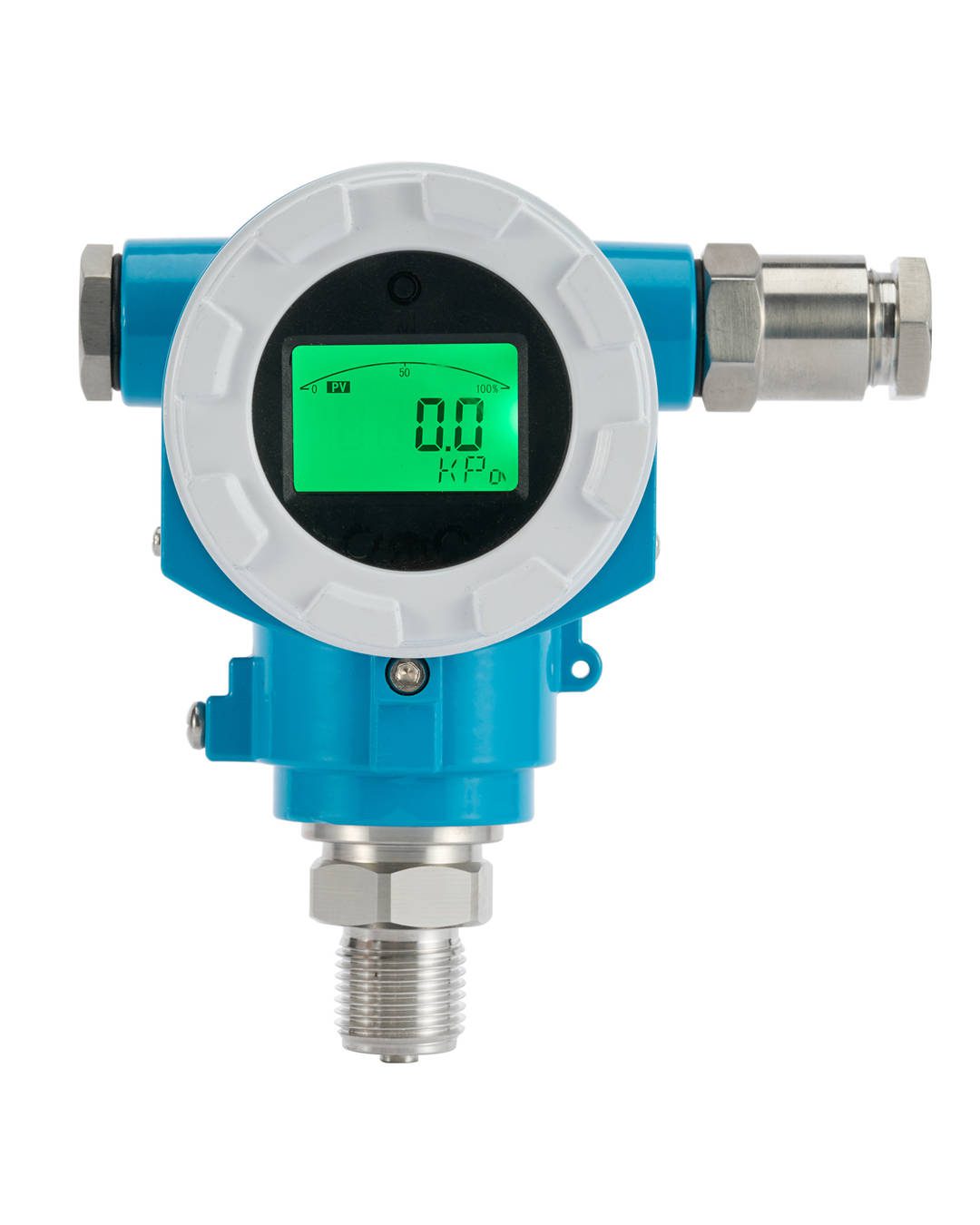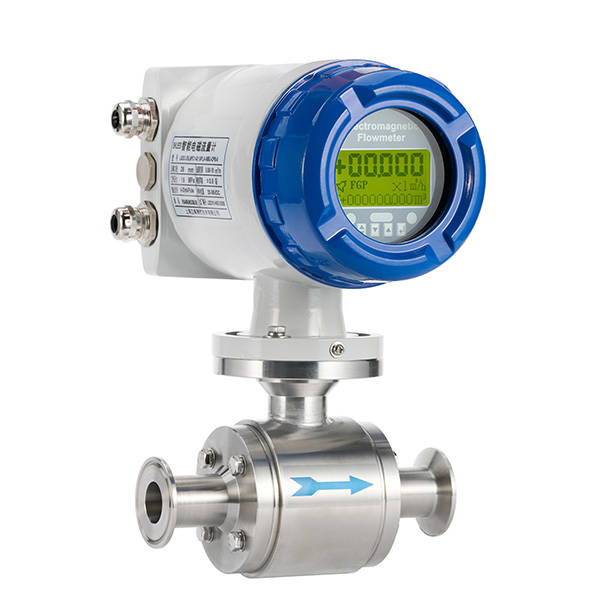
A pressure transmitter is a key device in industrial automation used to measure pressure and convert it into a standardized electrical signal (such as 4–20mA, HART, or Modbus) for monitoring, control, and data acquisition. It is widely applied in industries including oil & gas, chemical processing, water treatment, food & beverage, and pharmaceuticals.
In addition to pressure measurement, it is commonly used as a pressure transmitter for level measurement, making it an efficient and reliable industrial level measurement solution for tanks, vessels, and pipelines.
How Does a Pressure Transmitter Work?
A pressure transmitter uses a sensing element (such as a piezoresistive sensor or capacitive sensor) to detect applied pressure. When pressure acts on the diaphragm, it causes a small deformation, which is converted into an electrical signal proportional to the pressure.
In liquid level measurement, the transmitter measures hydrostatic pressure generated by the liquid column. Since pressure is directly related to liquid height, the device functions as a precise liquid level sensor for tank and supports continuous tank level monitoring.
Pressure Transmitter for Level Measurement
Using a pressure transmitter for level measurement is one of the most widely adopted methods in process control systems. It provides continuous and accurate readings for:
- Storage tanks and silos
- Water reservoirs and wastewater systems
- Chemical processing tanks
- Fuel and oil storage facilities
As a liquid level sensor for tank, it ensures real-time level monitoring system performance, helping improve safety and operational efficiency.
Suitable for High Viscosity and Challenging Media
For applications involving thick, sticky, or viscous fluids, selecting the right level sensor for high viscosity liquid is critical. Pressure transmitters are highly suitable due to:
- Flush diaphragm design to prevent buildup
- Anti-clogging structure for stable performance
- Compatibility with corrosive and adhesive media
This makes them an excellent industrial pressure sensor for demanding environments such as food processing, chemical dosing, and slurry handling systems.
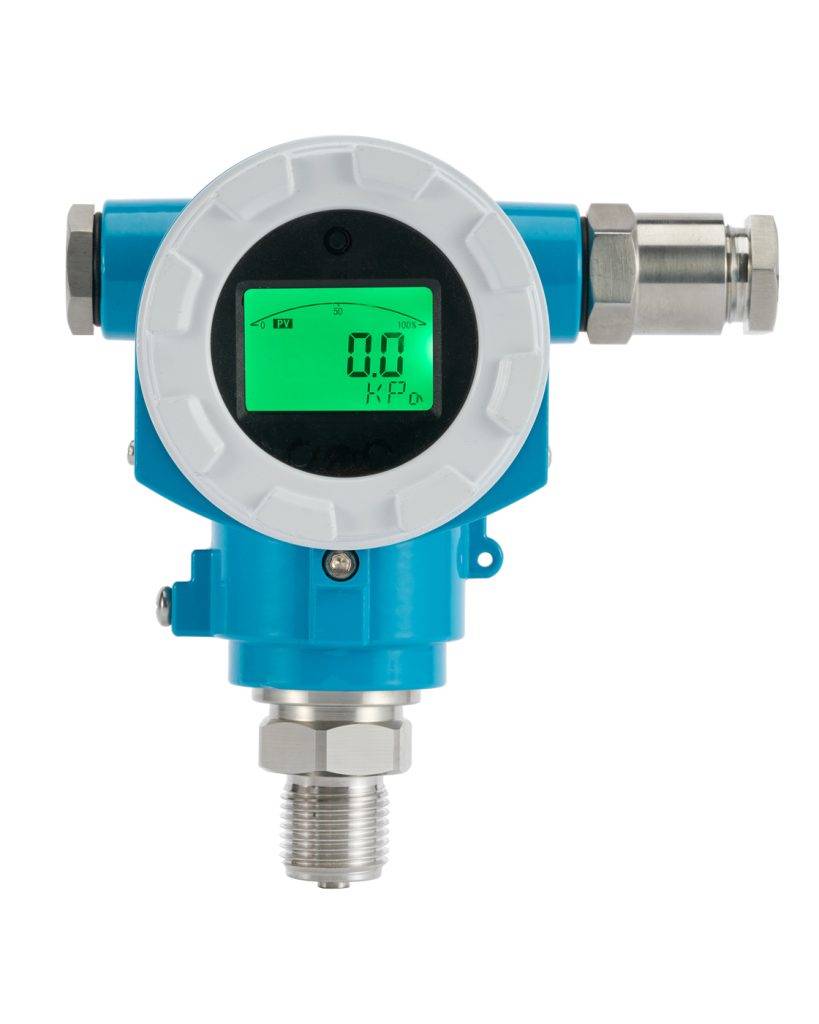
Anti Adhesion Level Switch and Complementary Devices
In some applications, a pressure transmitter is used alongside an anti adhesion level switch. While the transmitter provides continuous measurement, the switch acts as a safety device for high/low level alarms.
- Anti adhesion level switch: Ideal for sticky or coating materials and point level detection
- Pressure transmitter for level measurement: Ideal for continuous liquid level control
Together, they form a reliable level measurement system for complex industrial processes.
Key Advantages of Pressure Transmitters
- High accuracy and long-term stability
- Suitable for continuous level measurement and fluid pressure monitoring
- Functions effectively as a liquid level sensor for tank
- Reliable level sensor for high viscosity liquid applications
- Low maintenance and robust industrial design
- Easy integration into PLC, DCS, and industrial automation systems
- Supports multiple outputs such as analog, digital, and smart communication protocols
Applications of Pressure Transmitters
Pressure transmitters are essential in a wide range of applications, including:
- Water and wastewater treatment: tank level monitoring and pump control
- Oil & gas industry: pipeline pressure monitoring and storage tank measurement
- Chemical industry: corrosive liquid level measurement and dosing systems
- Food & beverage: hygienic liquid level sensor for tank applications
- Pharmaceuticals: precise process control instrumentation
- Power plants: boiler pressure and condensate level monitoring
Conclusion
A pressure transmitter is a versatile and indispensable process instrumentation device used not only for pressure measurement but also as a pressure transmitter for level measurement in various industries. It serves as a reliable liquid level sensor for tank, performs well as a level sensor for high viscosity liquid, and integrates seamlessly into modern industrial automation systems.
When combined with devices like an anti adhesion level switch, it provides a complete and efficient level measurement and control solution, ensuring safety, accuracy, and long-term operational reliability.