Introduction
Accurate hot water flow measurement is essential for efficient HVAC system operation. In heating systems, chilled water systems and hydronic circulation networks, flow rate directly affects heat transfer performance, temperature control and overall energy consumption.
Choosing the right HVAC hot water flowmeter helps building operators and engineers monitor water circulation, optimize heating efficiency and maintain stable system performance.
This guide explains how HVAC hot water flowmeters work, what types are available and which factors should be considered when selecting a suitable flow measurement solution.
What Is an HVAC Hot Water Flowmeter?
An HVAC hot water flowmeter is a flow measurement device used to monitor the circulation rate of hot water in heating, ventilation and air conditioning systems.
It measures the amount of hot water flowing through pipelines and provides data for:
- Heating system balancing
- Energy monitoring
- Temperature control
- Building automation systems
- Heat exchanger performance management
In HVAC applications, accurate flow measurement ensures that the right amount of hot water reaches each heating zone, improving comfort and reducing unnecessary energy consumption.
Why Is Flow Measurement Important in HVAC Hot Water Systems?
Hot water circulation is a key factor in HVAC heating performance. Incorrect flow rates can create several problems:
| Problem | Impact |
|---|---|
| Insufficient water flow | Reduced heating capacity |
| Excessive flow rate | Increased pump energy consumption |
| Unbalanced circulation | Uneven temperature distribution |
| Lack of monitoring | Difficult system optimization |
A reliable HVAC hot water flowmeter helps engineers identify system performance issues and improve operational efficiency.
How Does an HVAC Hot Water Flowmeter Work?
Different types of flowmeters use different measurement technologies.
Electromagnetic Measurement Principle
Electromagnetic flowmeters measure flow based on Faraday’s Law of Electromagnetic Induction.
When conductive hot water passes through a magnetic field, a voltage signal is generated. The flowmeter converts this signal into flow rate data.
Advantages include:
- No moving parts
- High measurement stability
- Low maintenance requirements
- Minimal pressure loss
Electromagnetic flowmeters are commonly used in HVAC systems where water quality and long-term reliability are important.
Types of HVAC Hot Water Flowmeters
Selecting the correct flowmeter depends on system requirements, pipe size, accuracy needs and installation conditions.
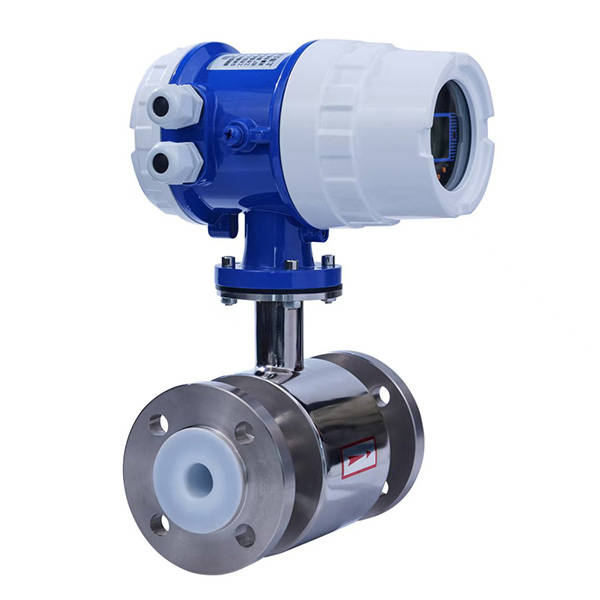
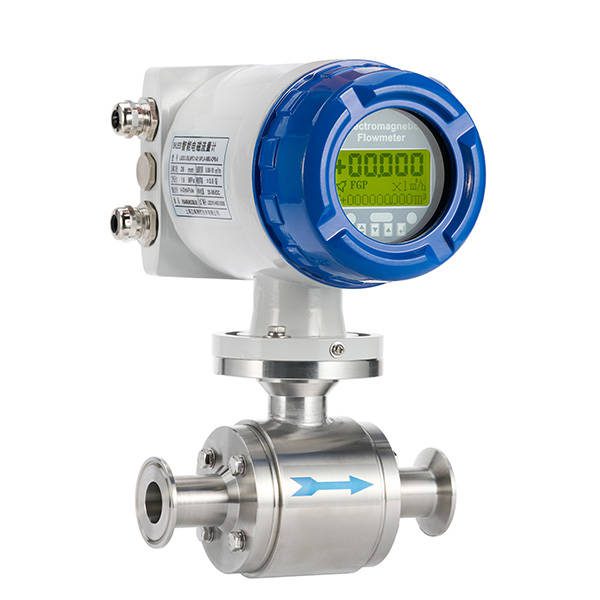
1. Electromagnetic Flow Meter
Electromagnetic flowmeters are one of the most widely used solutions for HVAC hot water measurement.
Advantages:
- High accuracy
- No mechanical wear
- Low pressure loss
- Suitable for large pipe systems
- Long service life
Suitable Applications:
- Commercial building HVAC systems
- District heating systems
- Industrial heating circulation
- Heat exchanger monitoring
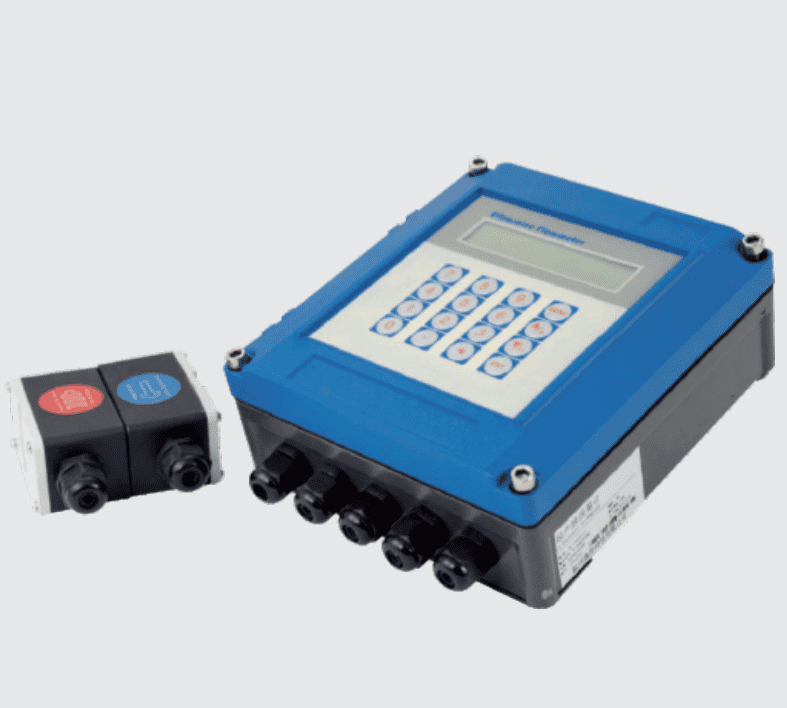
2. Ultrasonic Flow Meter
Ultrasonic flowmeters measure flow using sound waves transmitted through the pipeline.
Advantages:
- Non-invasive installation options
- Suitable for existing pipelines
- No pressure loss
Considerations:
- Accuracy may depend on installation conditions
- Pipe material and fluid conditions affect performance
3. Mechanical Flow Meter
Mechanical flowmeters use internal moving components to measure water flow.
Advantages:
- Simple structure
- Lower initial cost
Limitations:
- Mechanical wear
- Higher maintenance requirements
- Pressure loss caused by internal components
For continuous HVAC operation, non-mechanical flow measurement solutions are often preferred.
How to Choose the Right HVAC Hot Water Flowmeter?
1. Consider Water Temperature Range
HVAC hot water systems typically operate at elevated temperatures.
Before selection, confirm:
- Maximum operating temperature
- Continuous operating temperature
- Temperature fluctuations
The selected flowmeter should maintain stable performance under actual heating conditions.
2. Check Pipe Size and Flow Range
Pipe diameter and expected flow rate are key selection factors.
Important parameters include:
| Parameter | Why It Matters |
|---|---|
| Pipe diameter | Determines suitable meter size |
| Flow range | Ensures accurate measurement |
| Velocity range | Affects measurement stability |
| Pressure rating | Ensures safe operation |
Selecting an unsuitable size may reduce measurement accuracy or increase system resistance.
3. Evaluate Measurement Accuracy Requirements
Different HVAC applications require different accuracy levels.
For example:
| Application | Accuracy Requirement |
|---|---|
| Basic monitoring | Standard accuracy |
| Energy management | Higher accuracy |
| Heat metering | Precise measurement |
For building energy management systems, accurate flow data helps calculate heating consumption and improve energy optimization.
4. Consider Installation Conditions
Before installation, evaluate:
- Available pipeline space
- Straight pipe length requirements
- Installation direction
- Maintenance accessibility
A suitable installation design improves measurement reliability.
5. Select the Right Communication Options
Modern HVAC systems often integrate flowmeters with building management systems (BMS).
Common communication options include:
- 4-20mA output
- Pulse output
- Digital communication protocols
These functions enable remote monitoring and automated control.
Key Features to Look for in an HVAC Hot Water Flowmeter
Low Pressure Loss Design
A good HVAC flowmeter should minimize resistance inside the pipeline.
Benefits:
- Lower pump energy consumption
- Improved circulation efficiency
- Reduced operating costs
Stable Measurement Performance
HVAC systems often operate continuously for long periods.
Reliable flowmeters should provide:
- Consistent readings
- Long-term stability
- Resistance to operating changes
Low Maintenance Operation
Flowmeters without mechanical moving parts reduce:
- Wear problems
- Maintenance frequency
- System downtime
HVAC Hot Water Flowmeter Installation Tips
Install in a Suitable Pipeline Location
Avoid installation locations with:
- Excessive turbulence
- Air accumulation
- Unstable flow conditions
Ensure Proper Pipe Filling
For electromagnetic flowmeters, the measuring tube should remain completely filled with liquid to maintain accurate measurement.
Maintain Correct Installation Conditions
Follow manufacturer recommendations regarding:
- Flow direction
- Grounding requirements
- Pipeline configuration
HVAC Hot Water Flowmeter Applications
Commercial Buildings
Used for:
- Office buildings
- Shopping centers
- Hotels
- Public facilities
Applications include heating circulation monitoring and energy management.
Industrial Heating Systems
Used for:
- Factory heating networks
- Process heating systems
- Boiler circulation monitoring
District Heating Systems
Flow measurement helps:
- Monitor heat distribution
- Improve network efficiency
- Support energy management
HVAC Hot Water Flowmeter vs Traditional Water Meter
| Feature | HVAC Hot Water Flowmeter | Traditional Water Meter |
|---|---|---|
| Measurement Purpose | Heating system monitoring | General water consumption |
| Accuracy | Higher for process control | General measurement |
| Continuous Operation | Designed for industrial use | Depends on model |
| Maintenance | Low for electromagnetic type | Higher for mechanical type |
| System Integration | Supports automation | Limited |
Why Choose SHLEES HVAC Hot Water Flow Measurement Solutions?
SHLEES provides professional flow measurement solutions for HVAC and industrial applications.
Our electromagnetic flow measurement technology offers:
Accurate Hot Water Flow Monitoring
Reliable measurement supports efficient heating system operation and energy management.
Low Maintenance Design
No moving parts reduce mechanical wear and improve long-term reliability.
Flexible Application Solutions
Suitable for different HVAC systems, pipeline sizes and operating conditions.
Industrial Flow Measurement Experience
SHLEES supports customers with professional selection guidance and customized flow measurement solutions.
FAQ About HVAC Hot Water Flowmeter
What type of flowmeter is best for HVAC hot water systems?
Electromagnetic flowmeters are commonly used because they provide accurate measurement, low maintenance and minimal pressure loss for water-based HVAC systems.
Can electromagnetic flowmeters measure hot water?
Yes. Electromagnetic flowmeters can measure hot water when the temperature range and material specifications meet system requirements.
Why is flow measurement important in HVAC systems?
Accurate flow measurement helps maintain proper heat distribution, improve energy efficiency and optimize system performance.
Does an HVAC flowmeter affect water pressure?
A properly selected flowmeter has minimal impact on system pressure, especially designs without internal moving parts.
How do I select an HVAC hot water flowmeter?
Selection should consider pipe size, temperature range, flow rate, accuracy requirements, installation conditions and communication needs.