In chemical process industries, accurate flow measurement is critical for ensuring safety, maintaining product quality, and optimizing operational efficiency. Whether dealing with acids, solvents, or highly corrosive liquids, selecting the right flowmeter can significantly impact system performance and maintenance costs.
This guide explores the best flow meters for chemical process systems and helps you understand which technologies work best in demanding industrial environments.
1. Chemical Pipeline Metering Flowmeter for Industrial Accuracy
A Chemical Pipeline Metering Flowmeter is designed specifically for inline measurement of chemical fluids in pipelines. These meters are widely used in chemical manufacturing, petrochemical plants, and water treatment systems.
Key advantages include:
- High accuracy for continuous flow monitoring
- Compatibility with various chemical media
- Stable performance under fluctuating pressure and temperature
- Easy integration into pipeline systems
These flowmeters are ideal for general-purpose chemical dosing and batch control applications.
2. Explosion-proof Vortex Flowmeter for Chemicals in Hazardous Environments
In environments where flammable gases or volatile chemicals are present, safety becomes the top priority. The Explosion-proof Vortex Flowmeter for Chemicals is engineered to operate safely in hazardous zones.
Key features:
- Explosion-proof housing for Zone 1/Zone 2 environments
- Suitable for steam, gas, and liquid chemical flow measurement
- No moving parts, reducing maintenance risk
- High durability under harsh industrial conditions
This type of flowmeter is commonly used in refineries, chemical reactors, and solvent processing plants.
3. Flowmeter for Highly Corrosive Media Applications
Chemical plants often handle highly aggressive substances such as hydrochloric acid, sulfuric acid, and sodium hydroxide. A Flowmeter for highly corrosive media is specially designed to resist chemical attack and maintain long-term measurement stability.
Typical characteristics include:
- PTFE, PFA, or Tantalum-lined wetted parts
- Electromagnetic or ultrasonic measurement technology
- Long service life in extreme chemical conditions
- Minimal calibration drift over time
These flow meters are essential for industries requiring high chemical resistance and reliability.
4. Other Suitable Flow Meter Technologies for Chemical Systems
Depending on application requirements, several additional flow meter types are widely used:
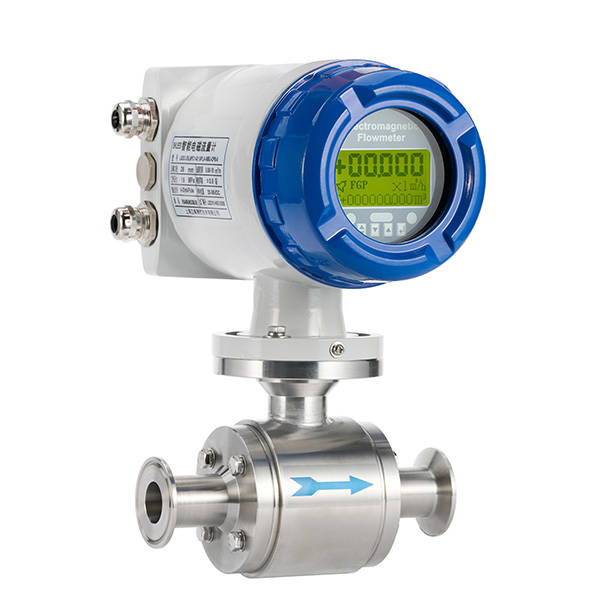
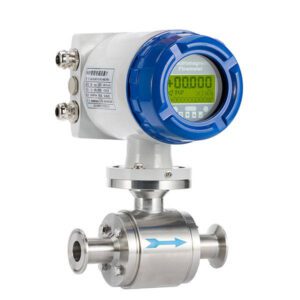
- Magnetic flow meters – ideal for conductive corrosive liquids
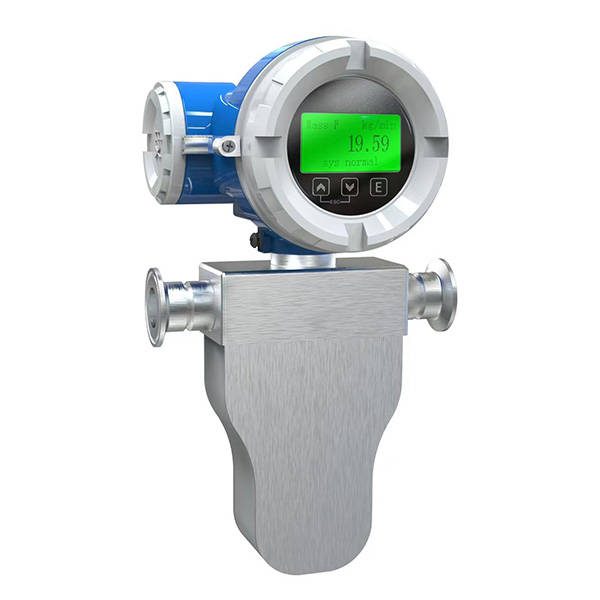
- Coriolis flow meters – best for mass flow measurement with high precision
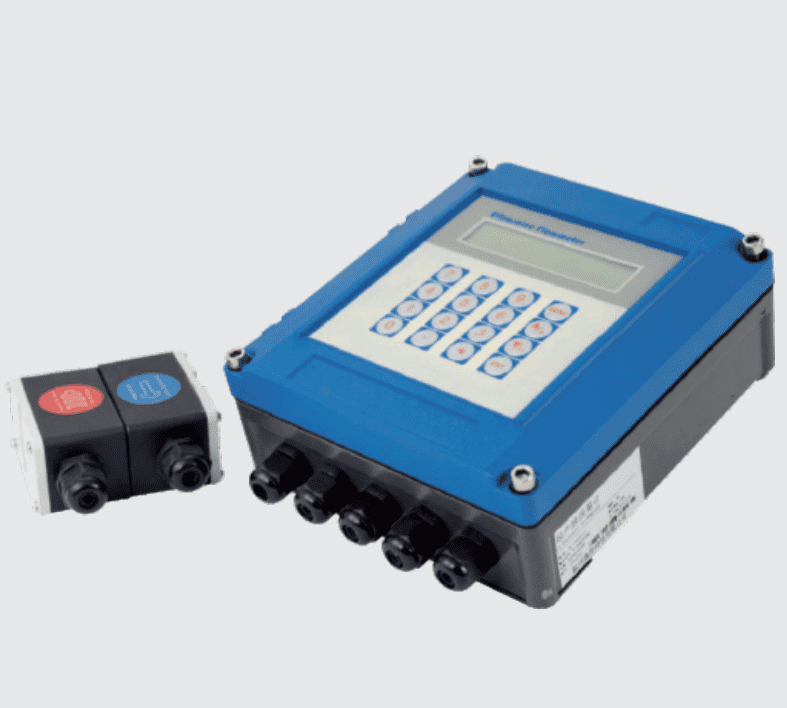
- Ultrasonic flow meters – non-intrusive and suitable for clean or hazardous fluids
- Turbine flow meters – used in low-viscosity, clean chemical fluids
Each technology offers unique advantages depending on viscosity, conductivity, pressure, and safety requirements.
5. How to Choose the Right Flow Meter for Chemical Systems
When selecting a flow meter for chemical applications, consider:
- Chemical compatibility of wetted materials
- Operating pressure and temperature range
- Hazardous area certification (ATEX / IECEx)
- Required accuracy level
- Maintenance and lifecycle cost
A proper selection ensures not only measurement accuracy but also long-term operational safety.
Conclusion
Choosing the right flow meter for chemical process systems depends heavily on the nature of the chemical medium and environmental conditions. Whether you need a Chemical Pipeline Metering Flowmeter, an Explosion-proof Vortex Flowmeter for Chemicals, or a Flowmeter for highly corrosive media, matching the technology to your application is essential for efficiency and safety.