
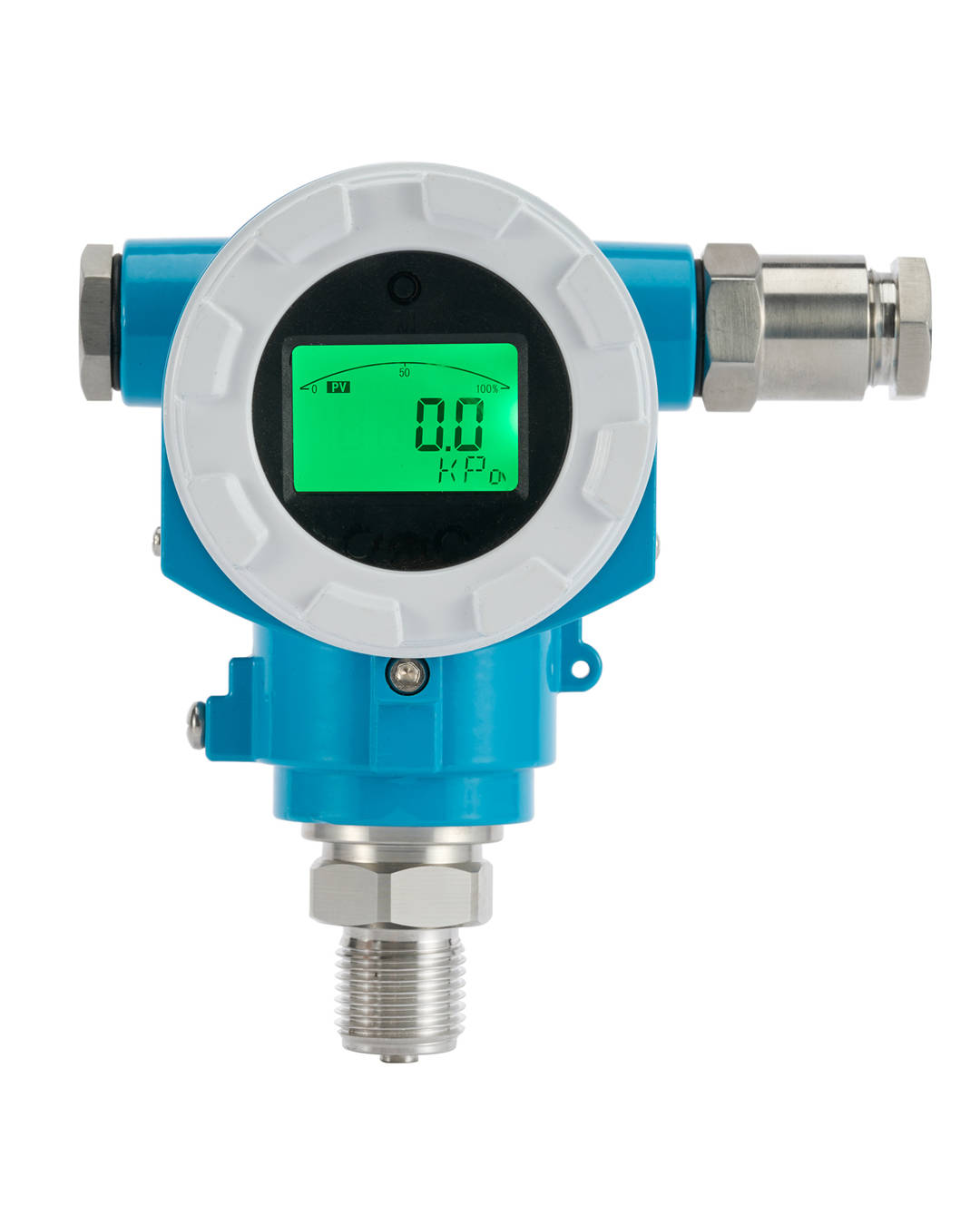
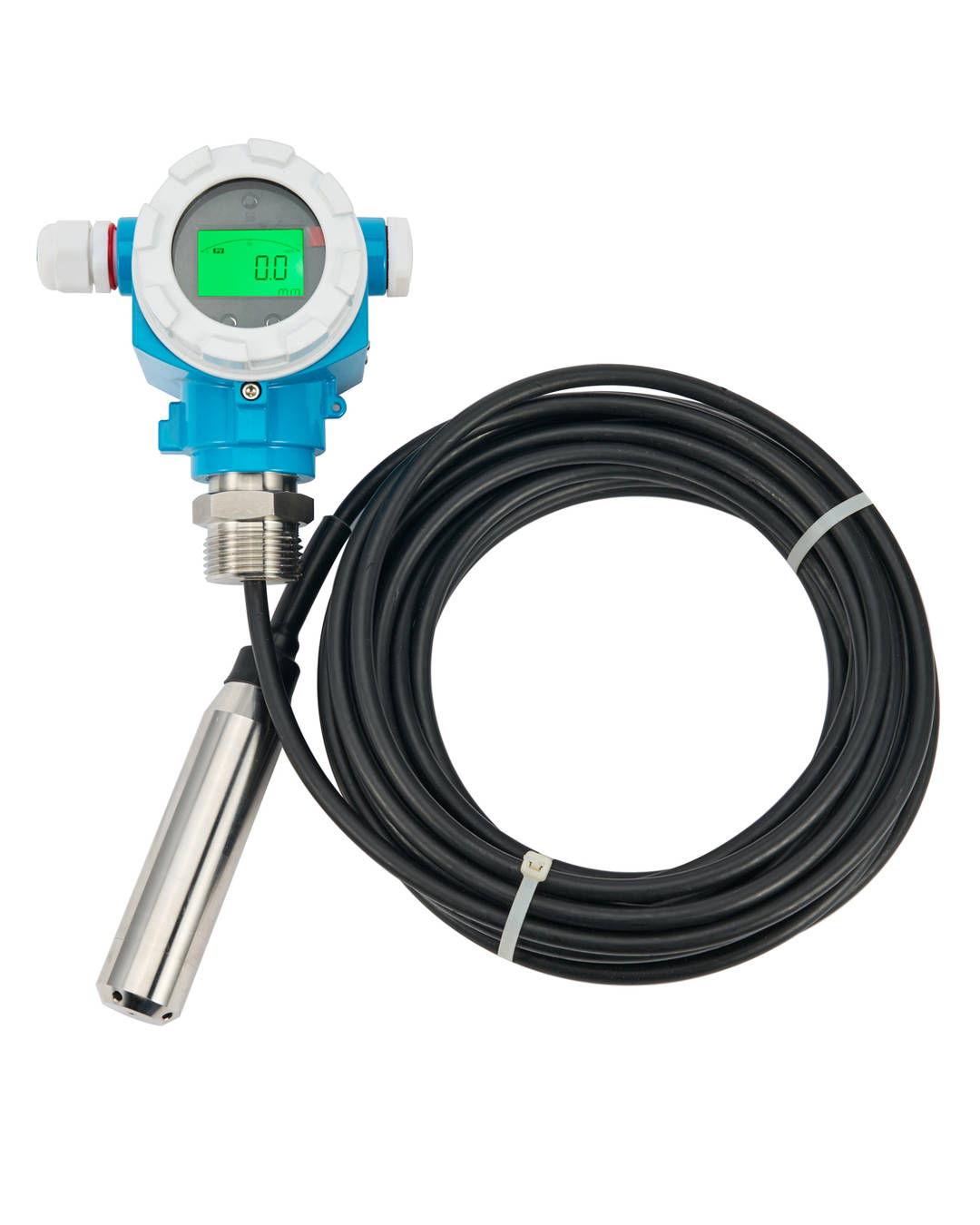
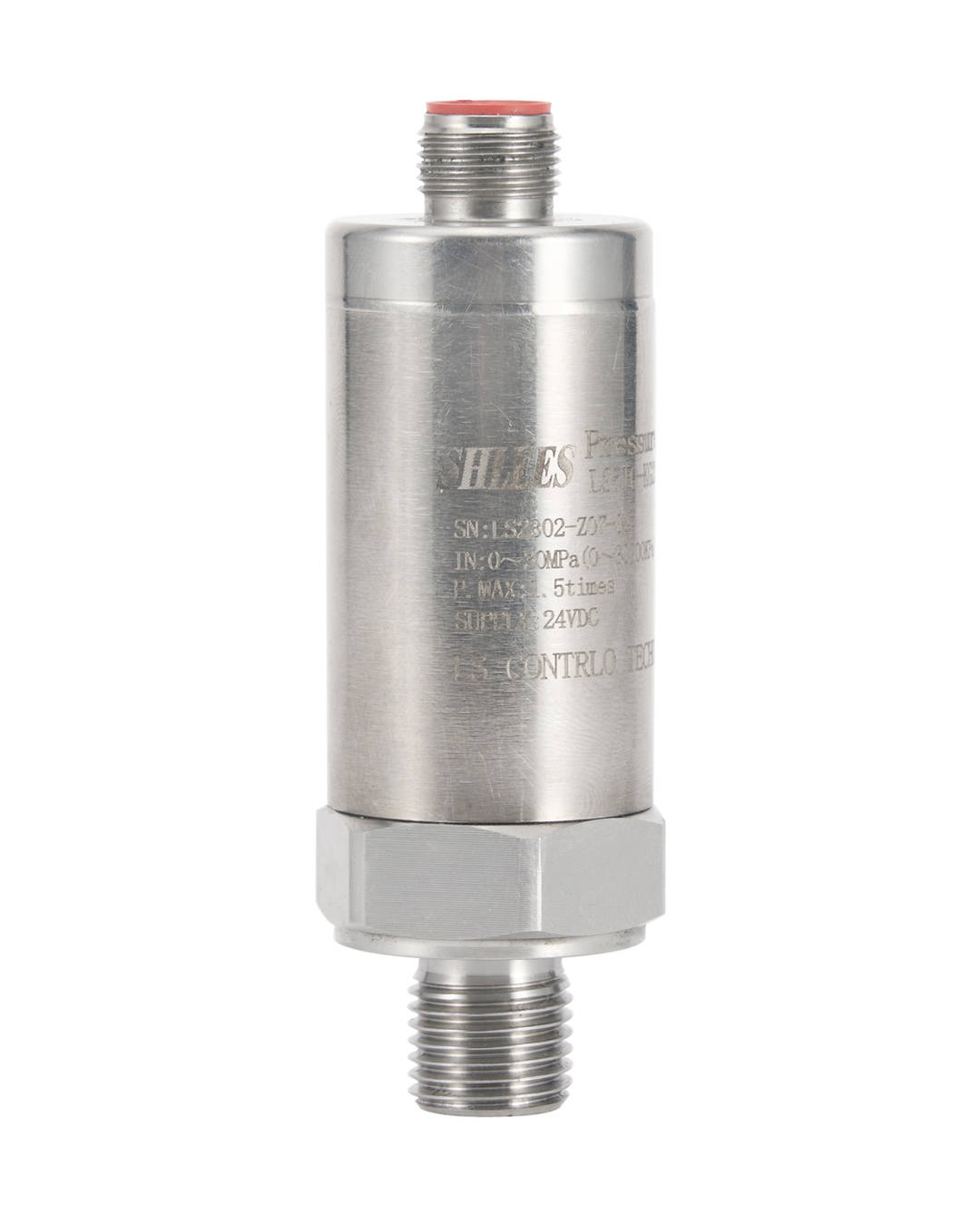
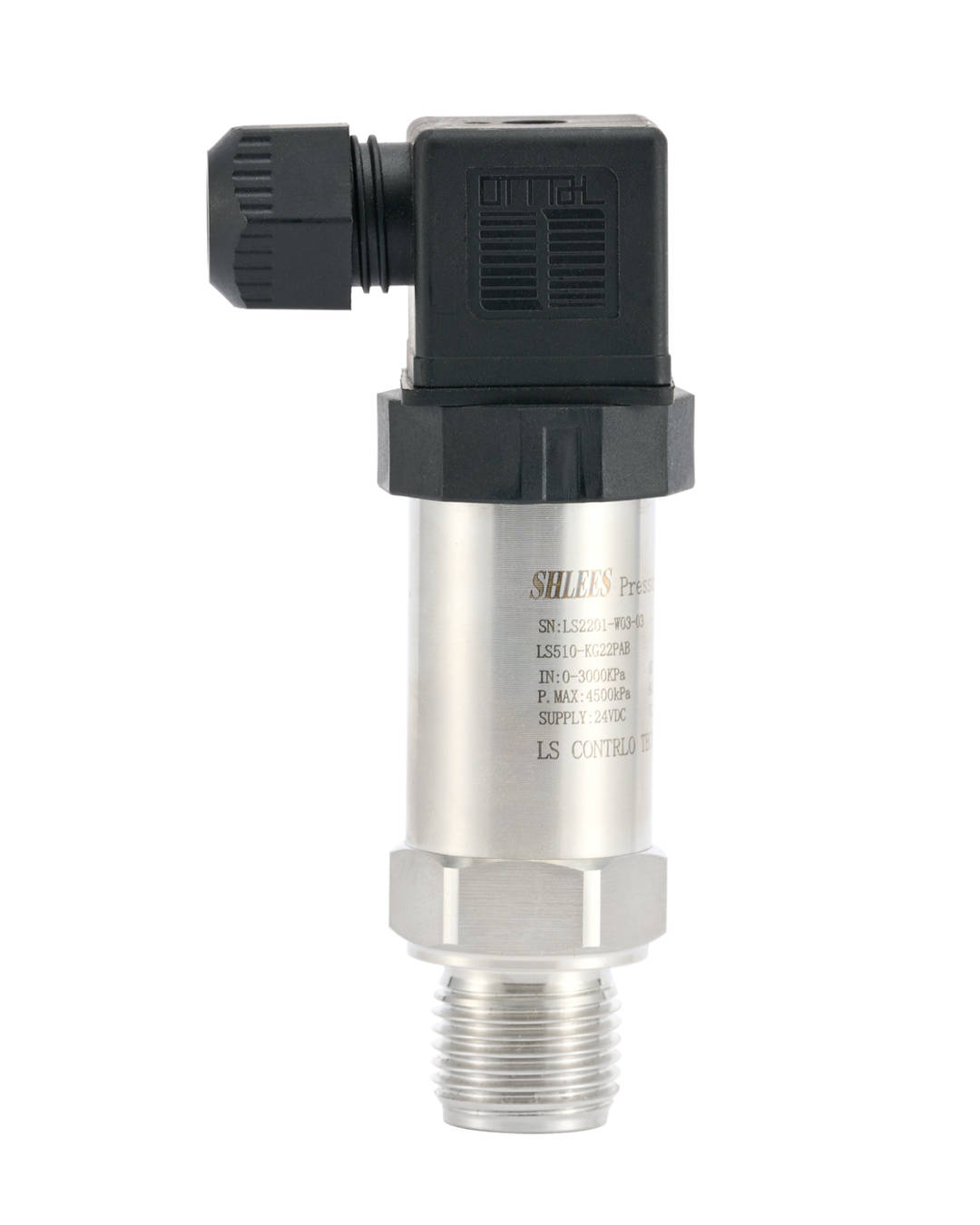
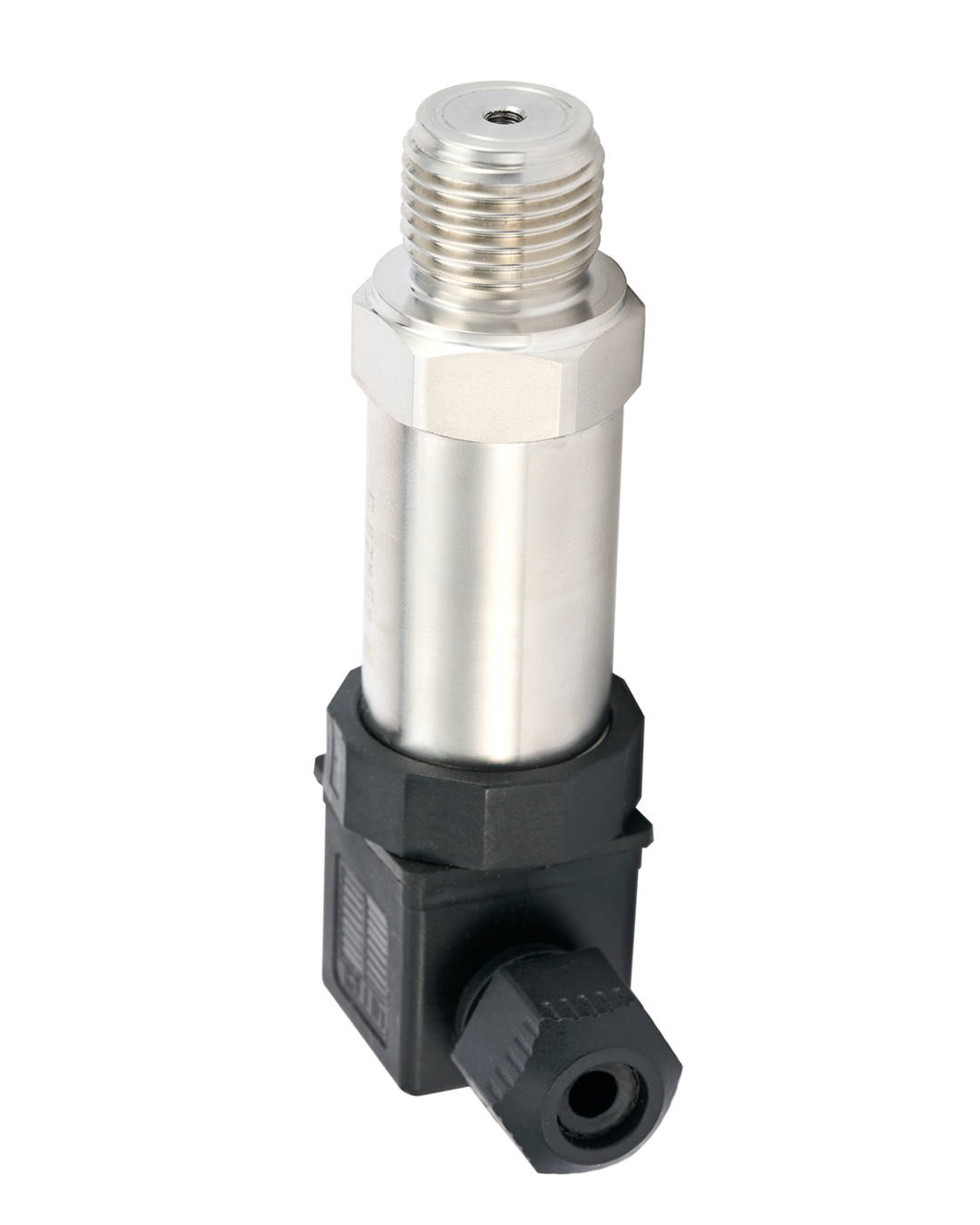
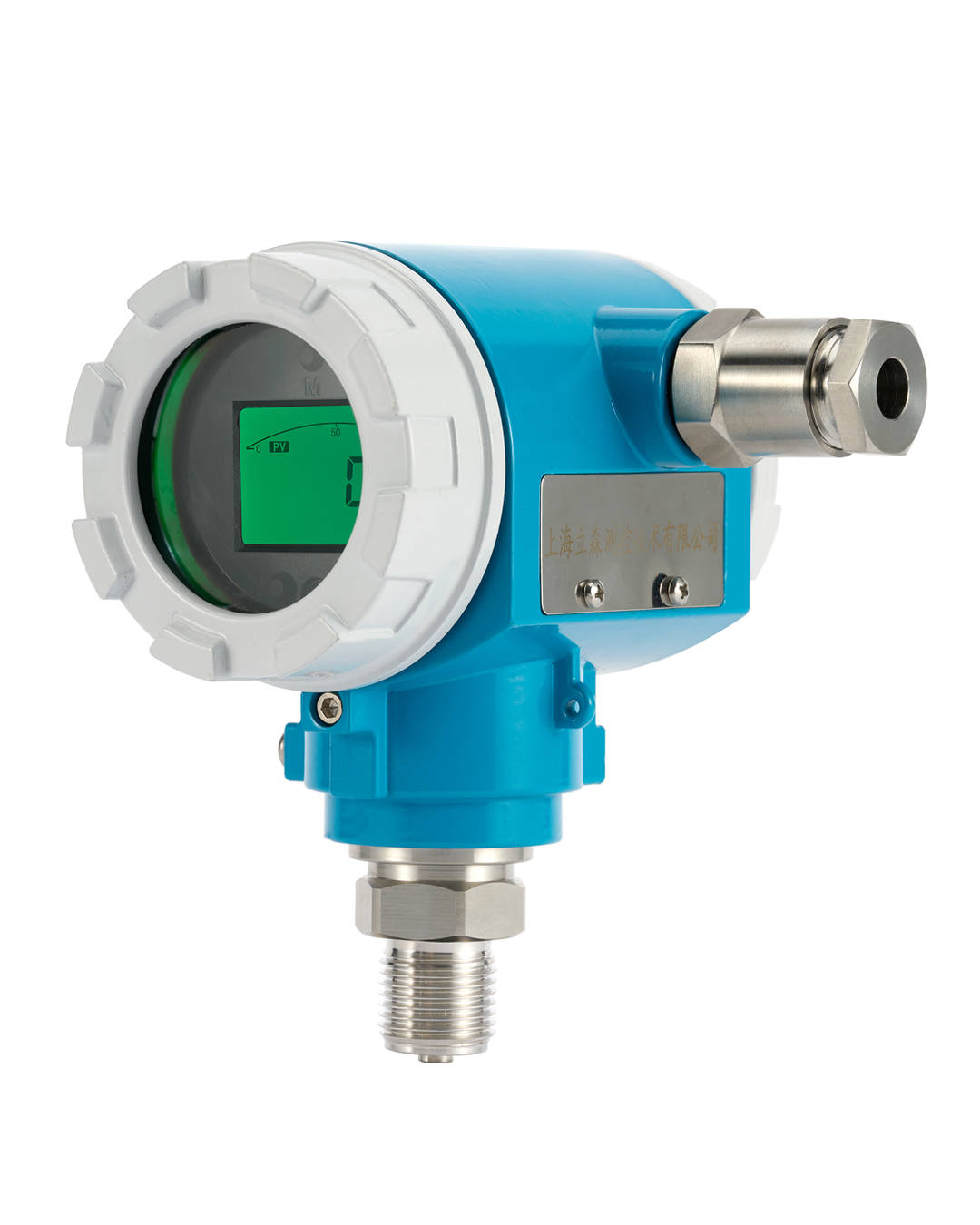
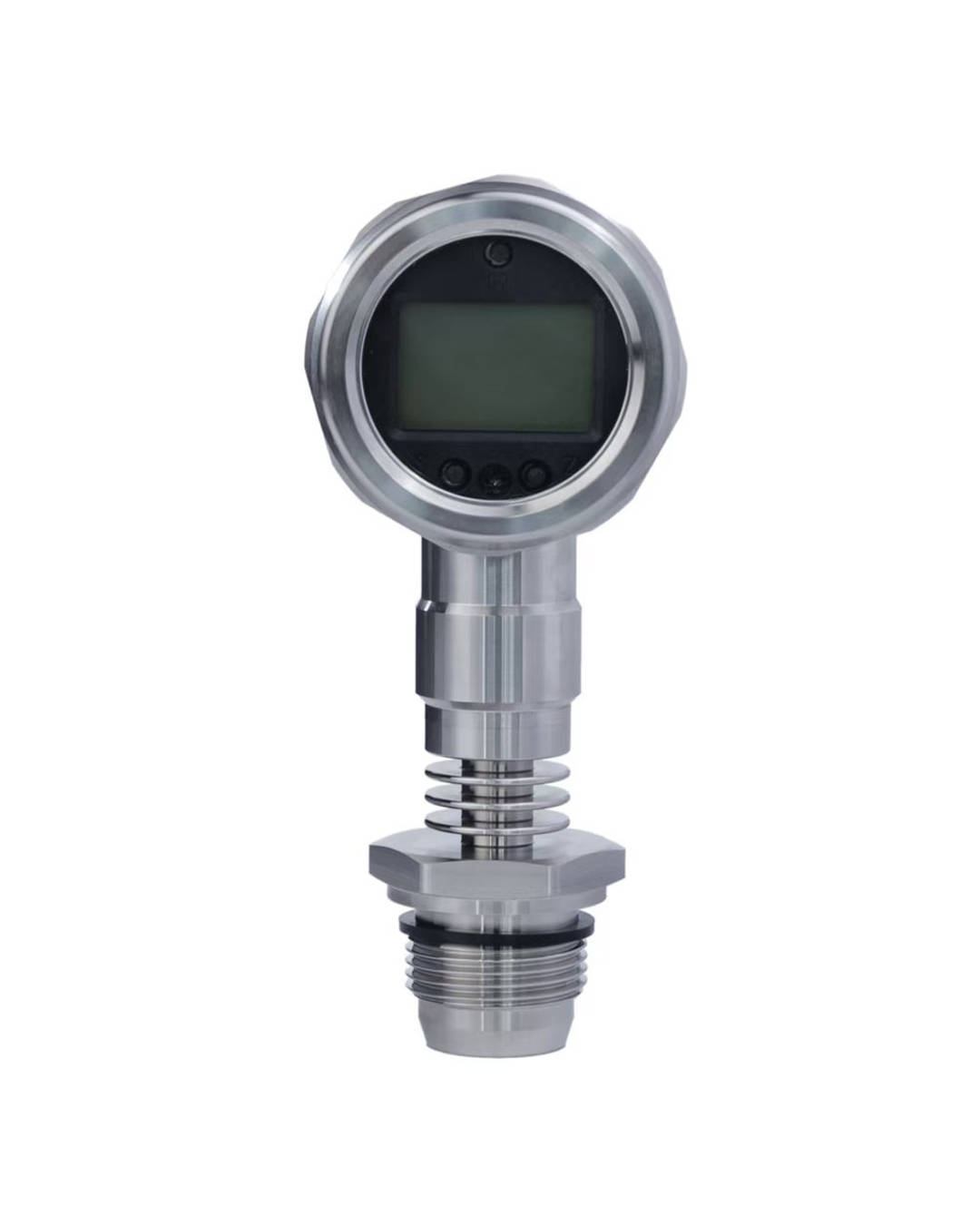
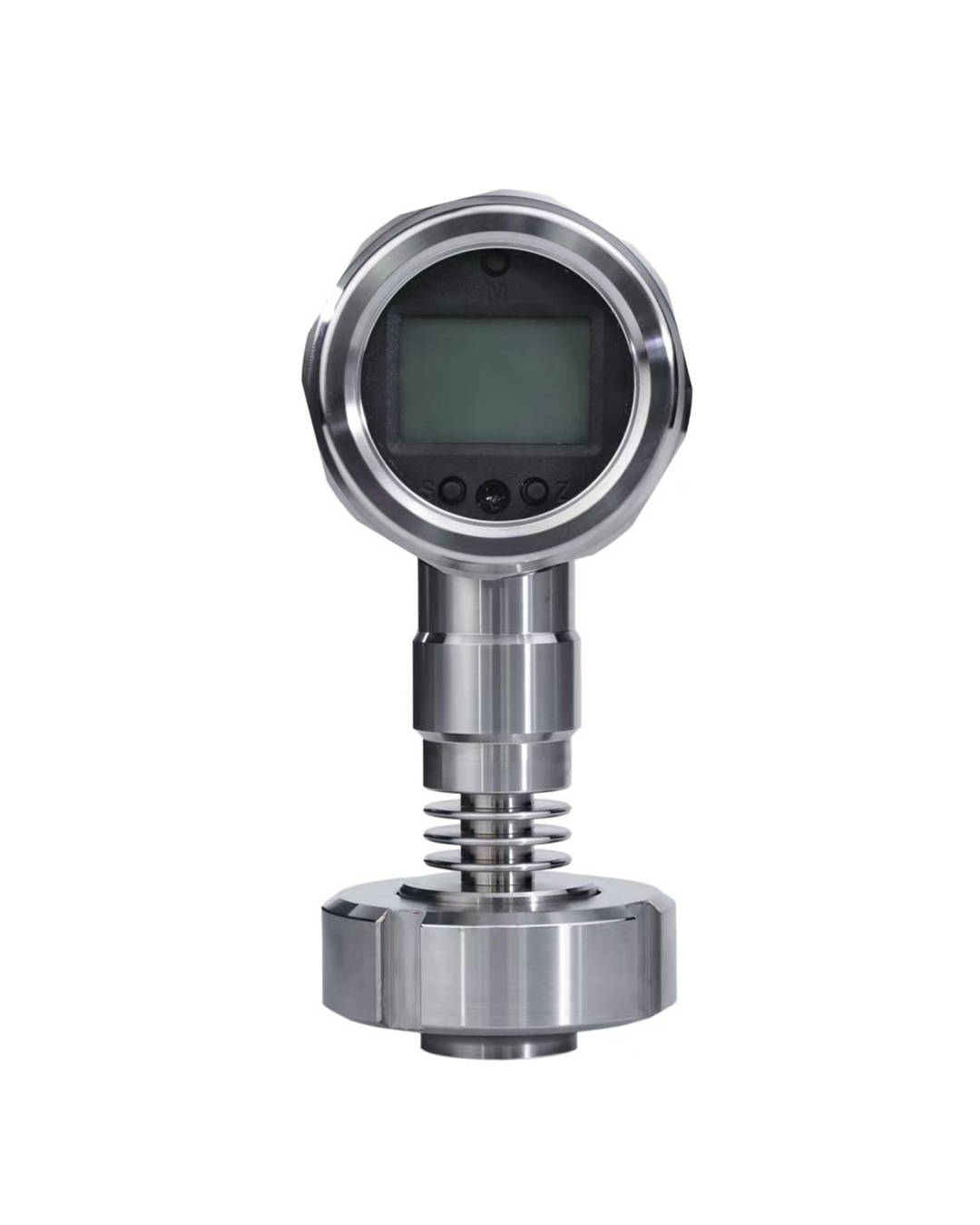
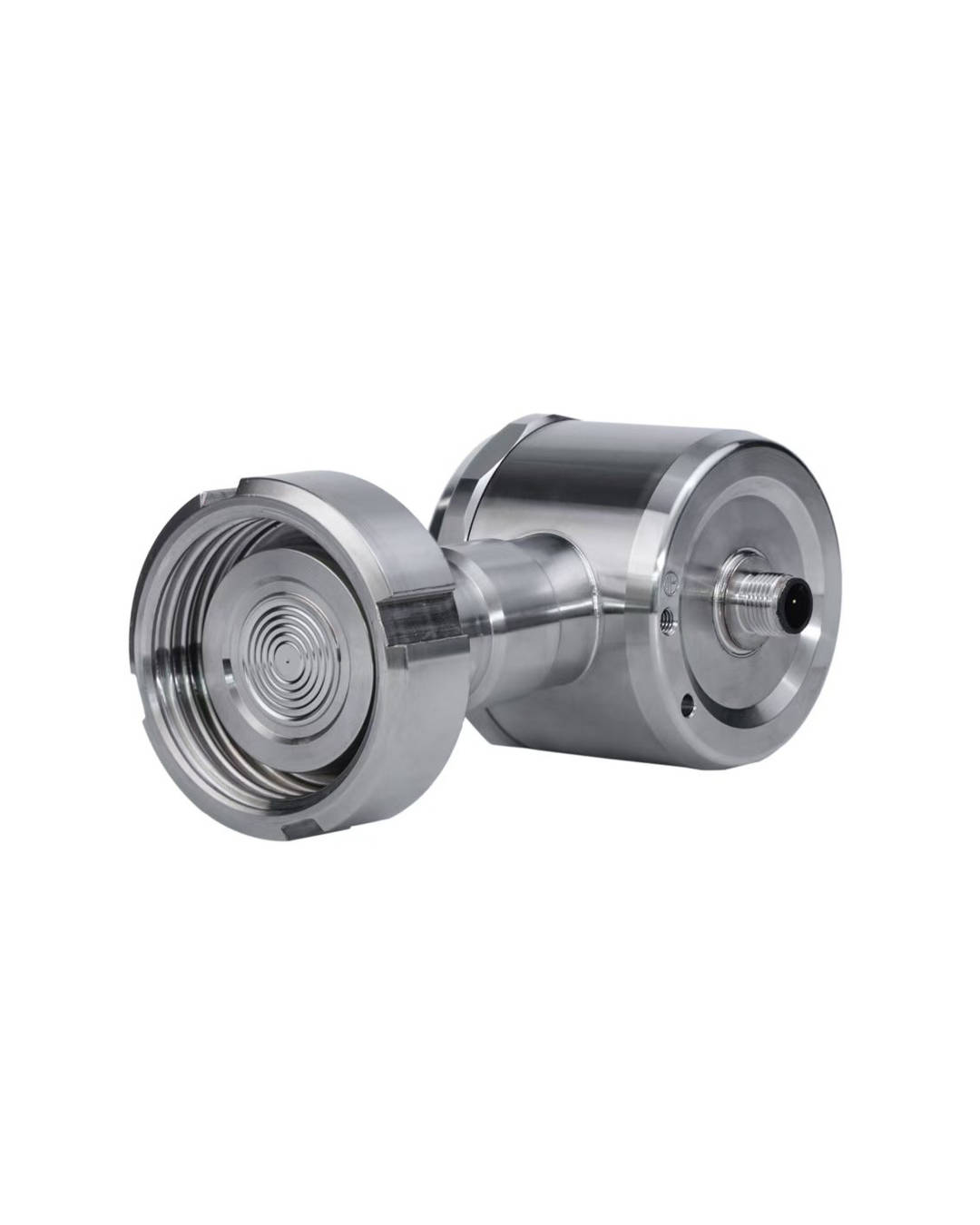
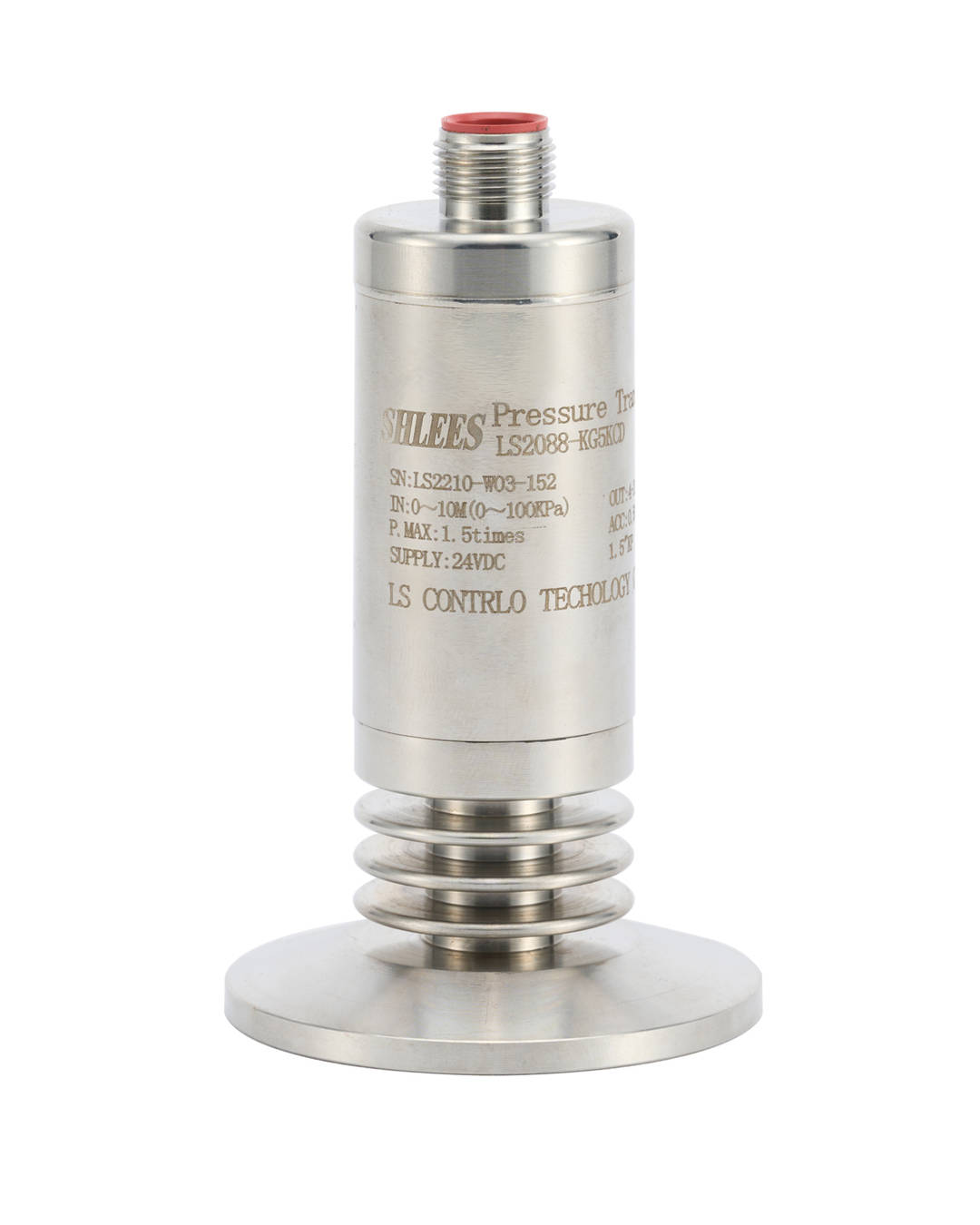
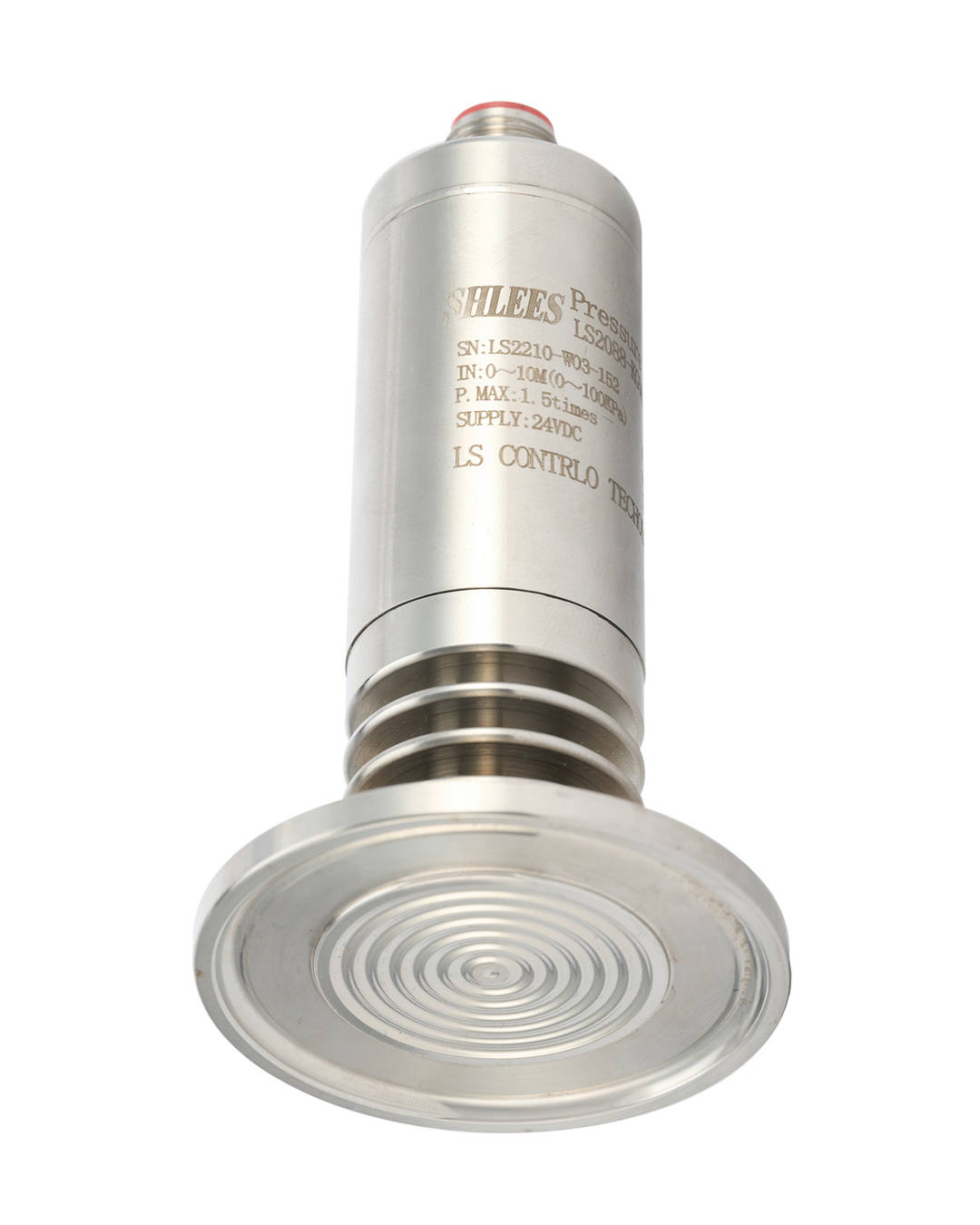
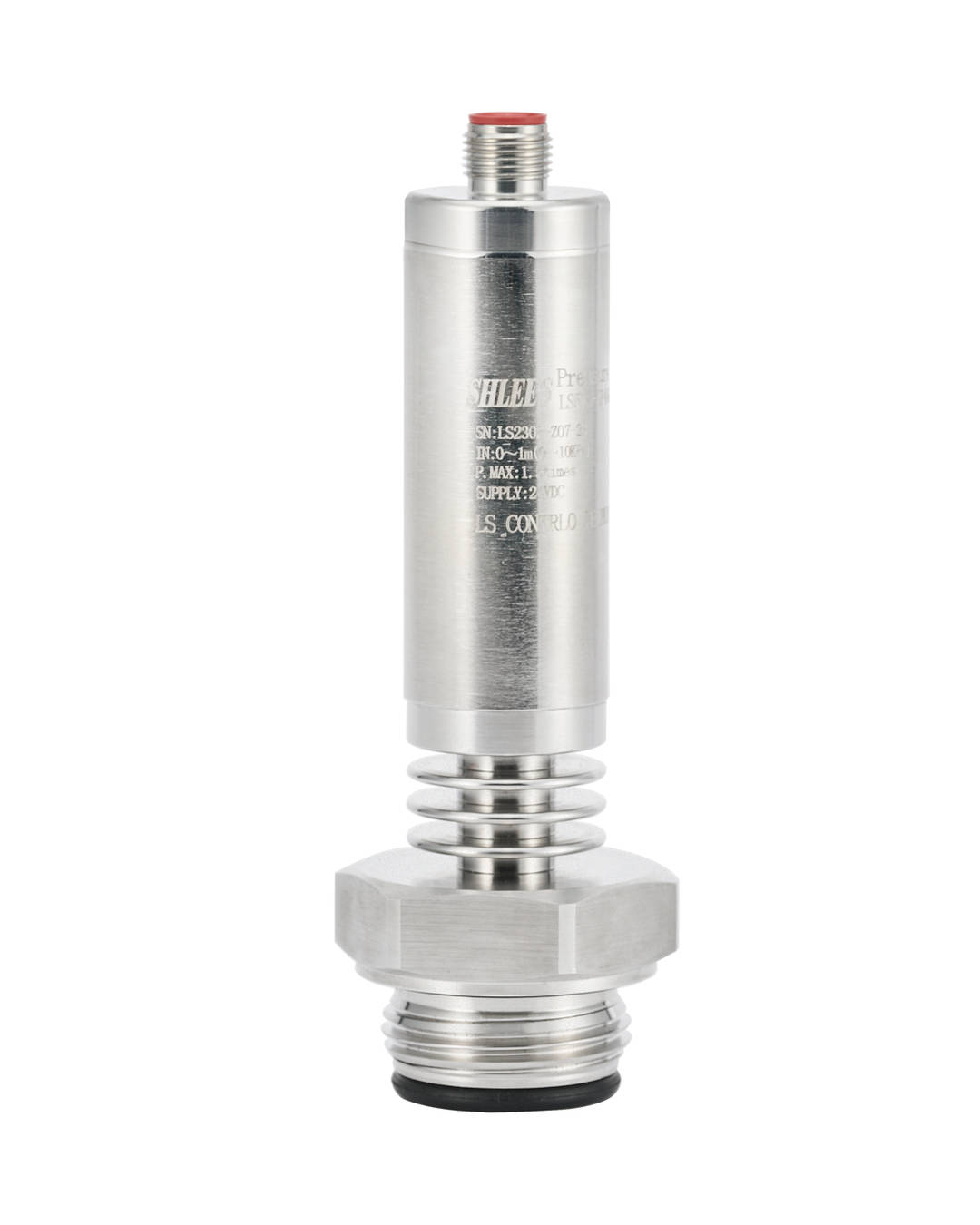
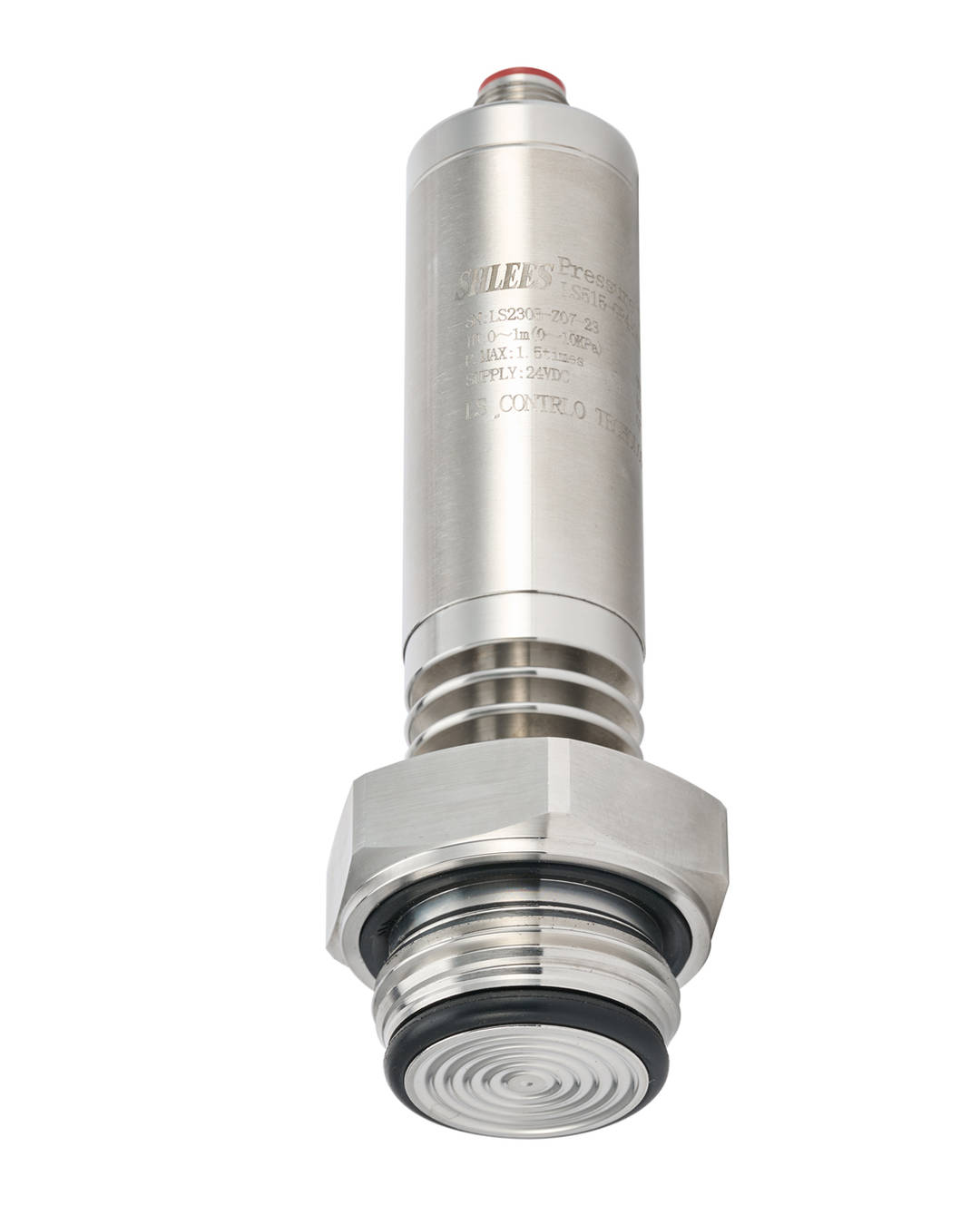
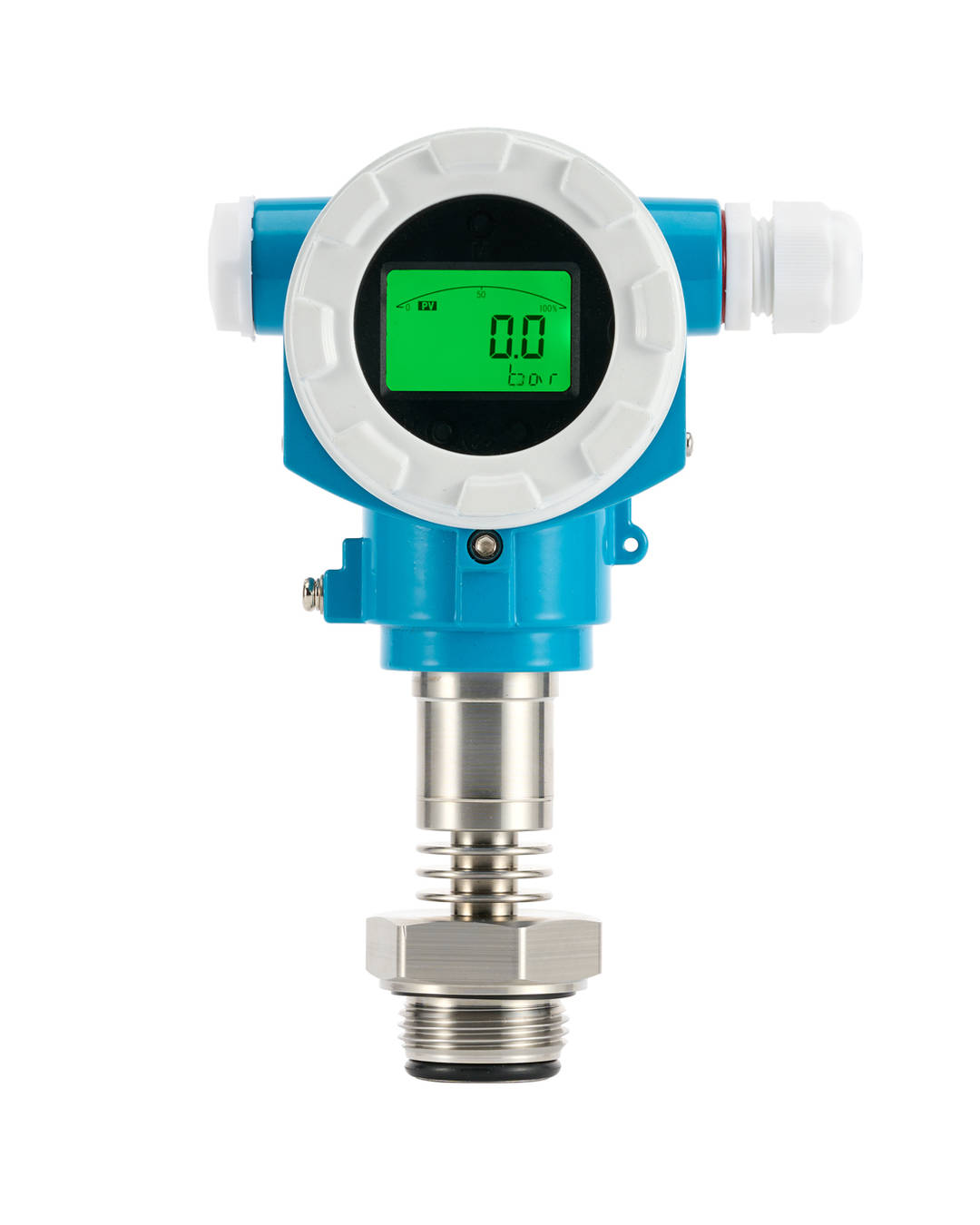
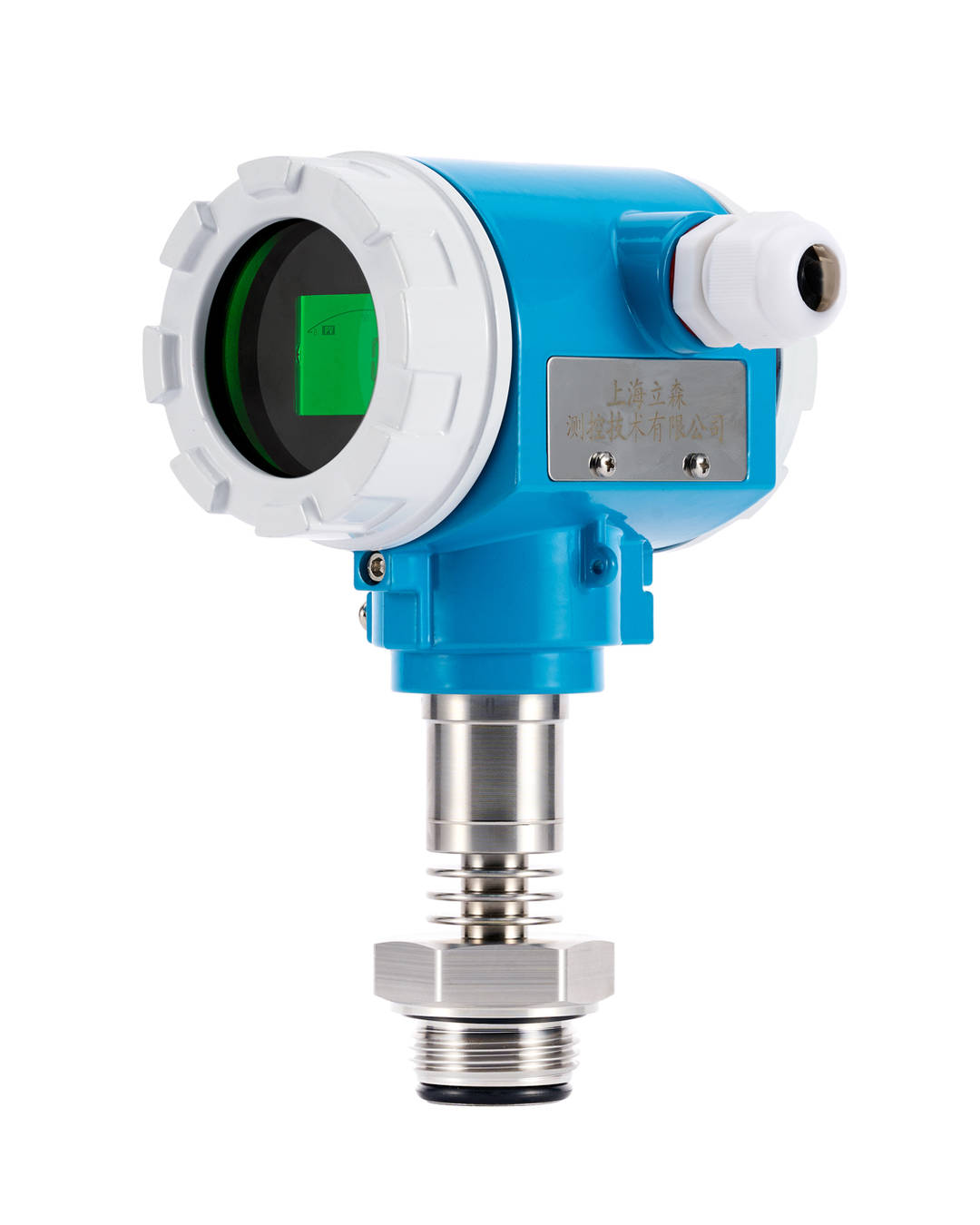
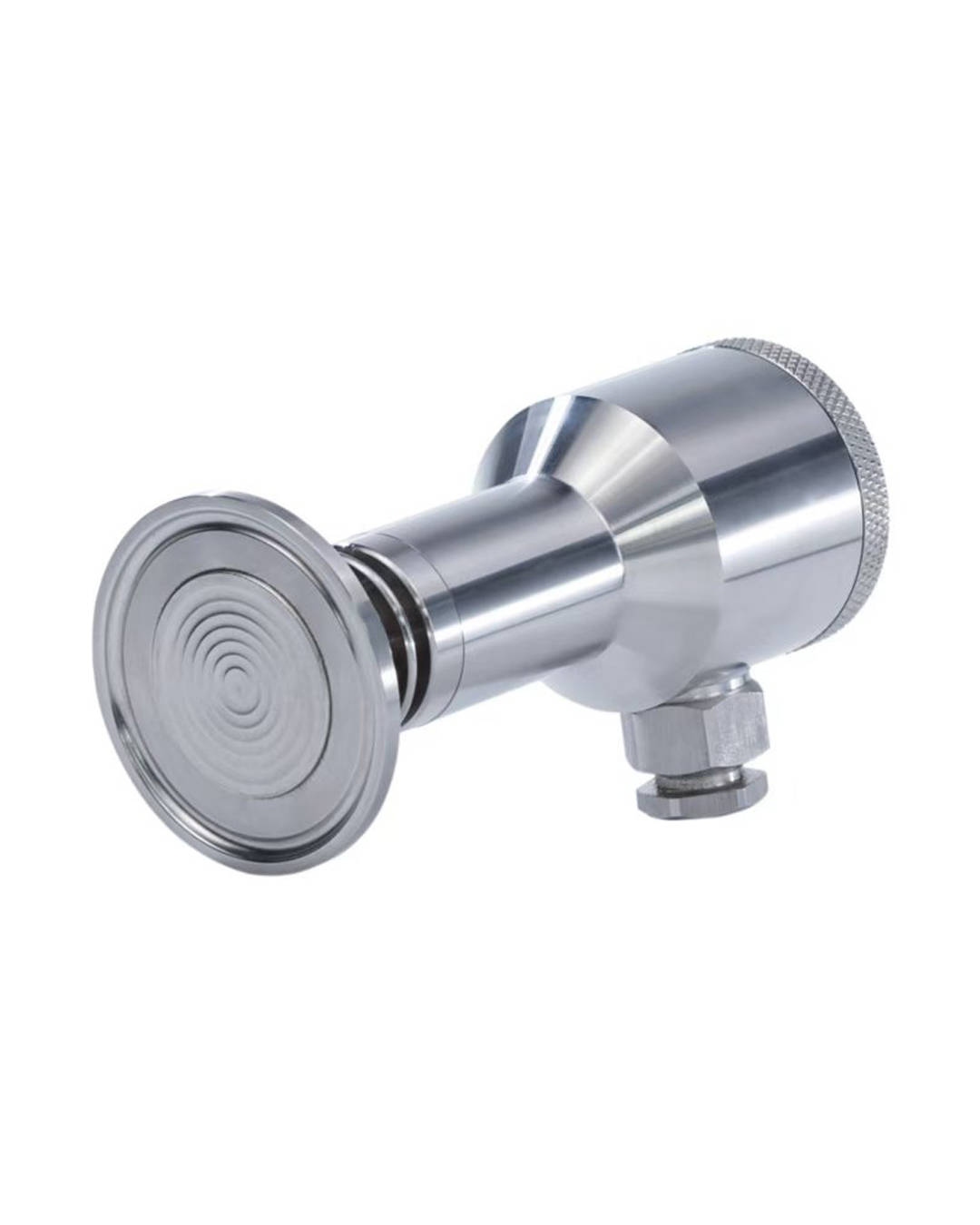
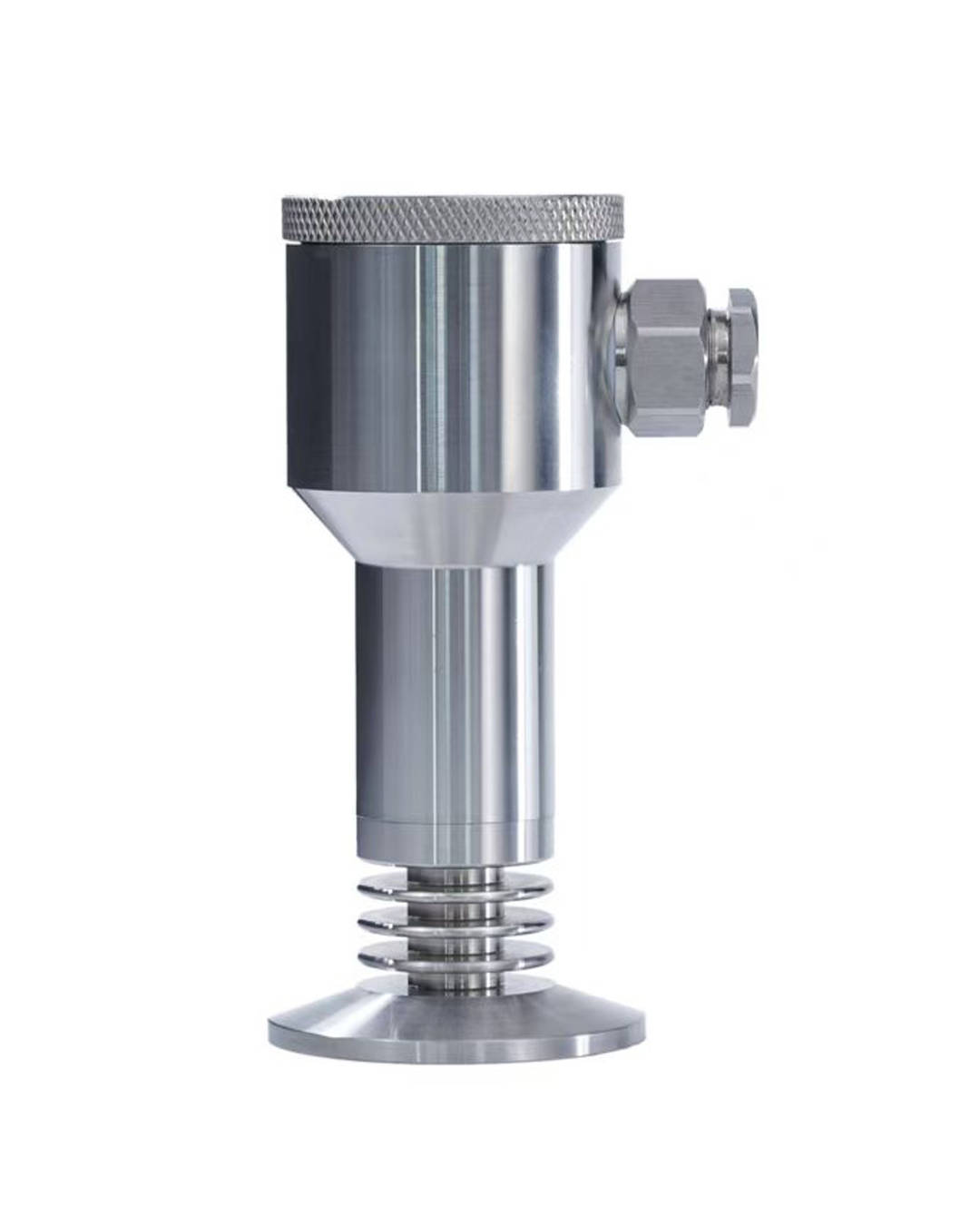
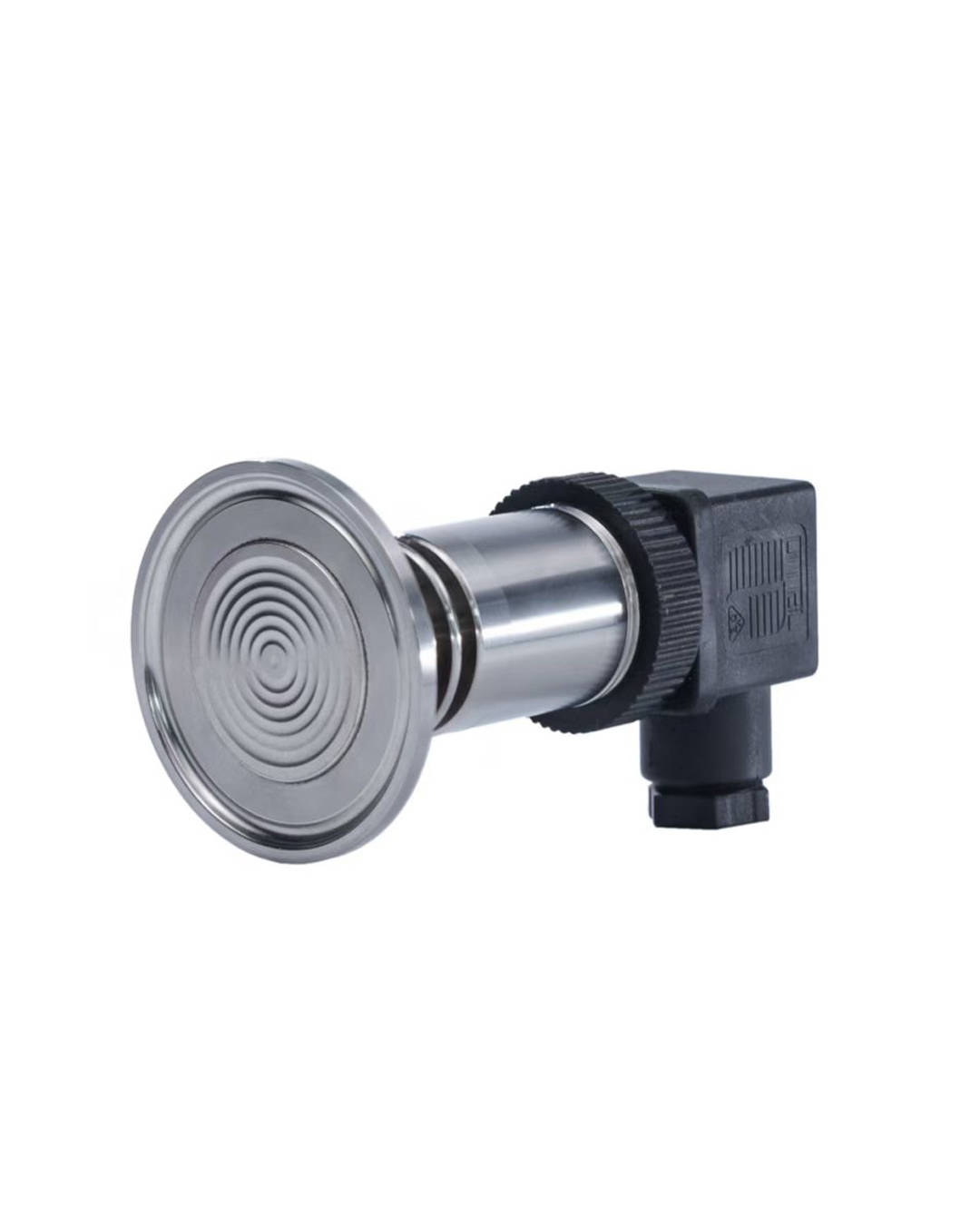
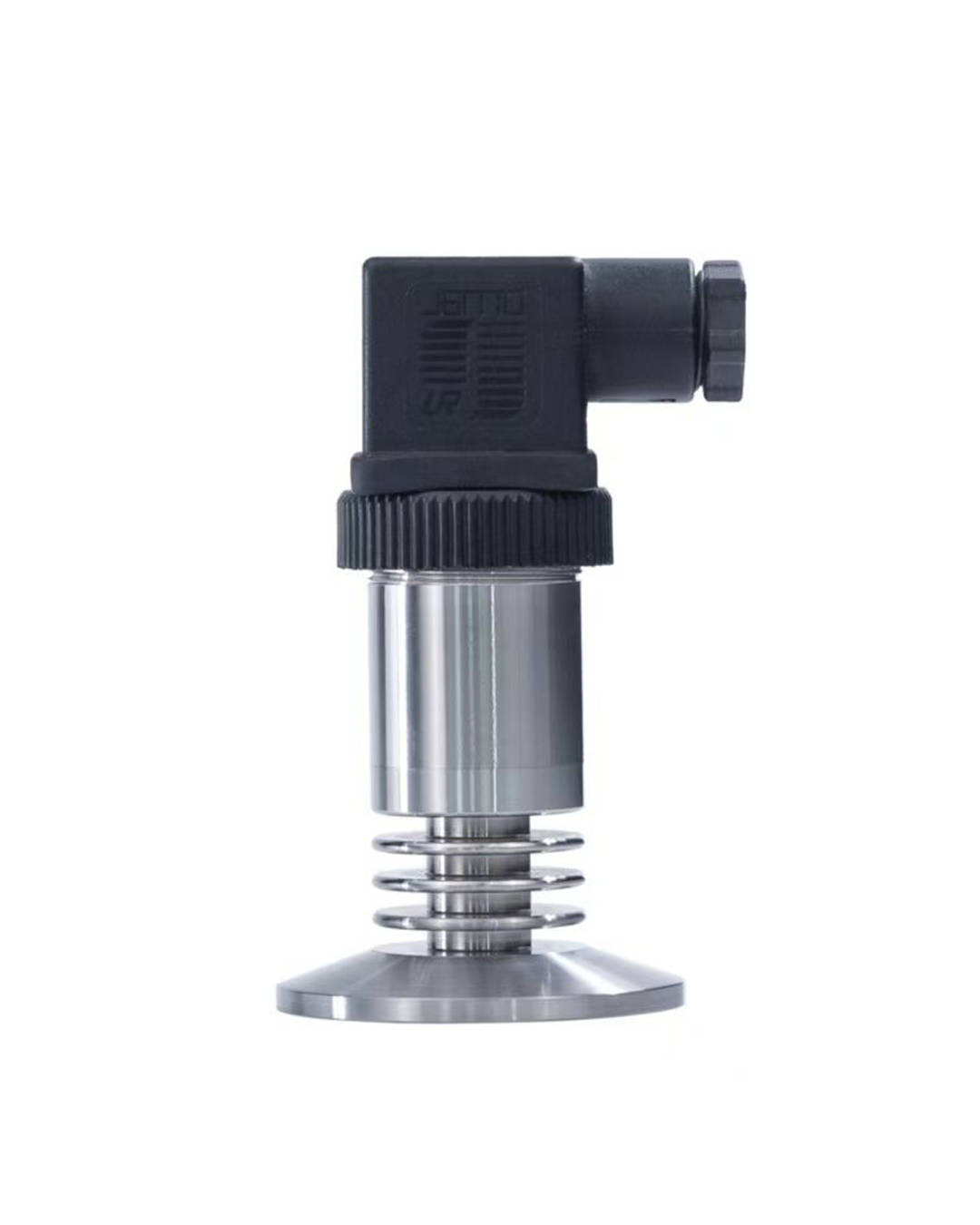
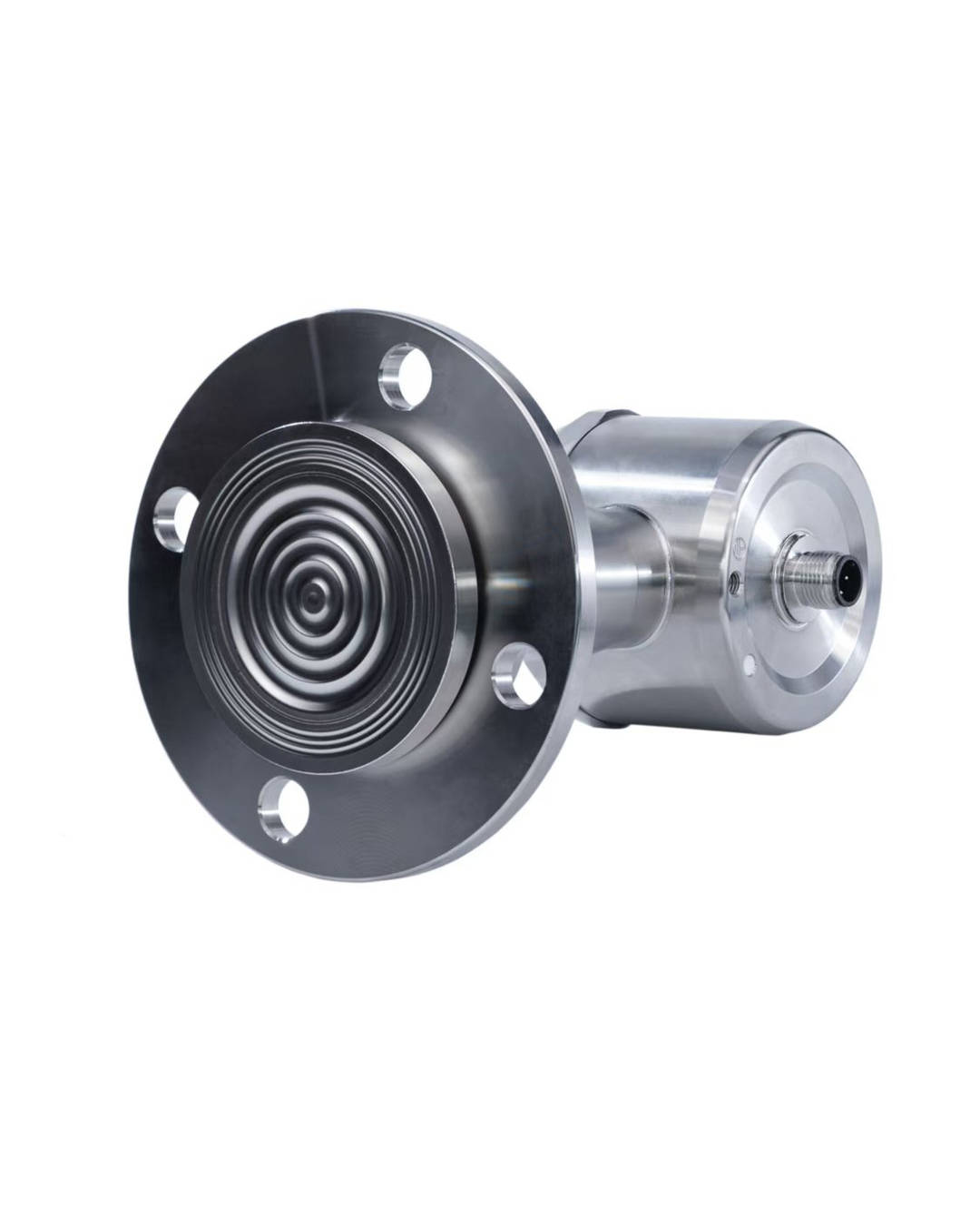
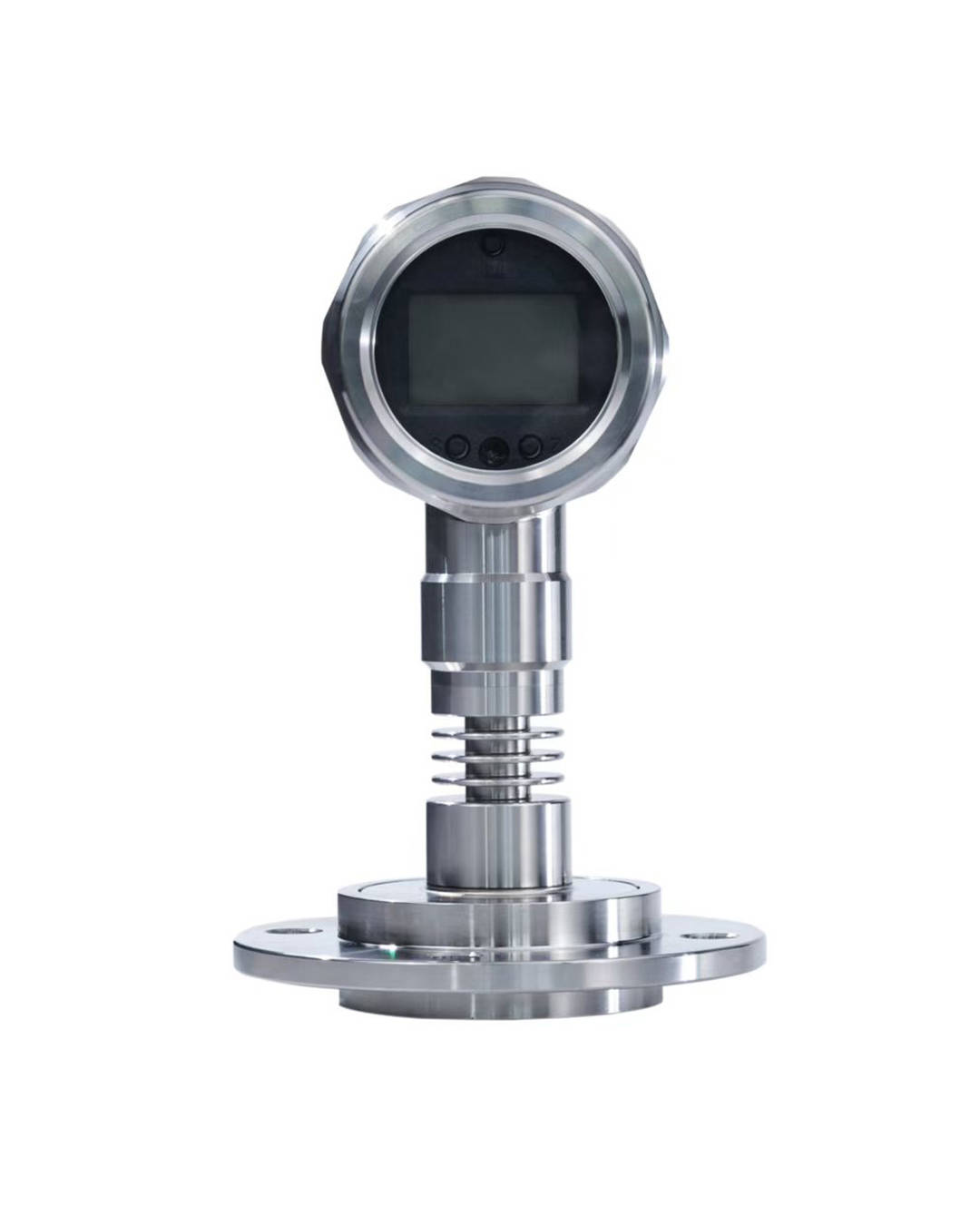
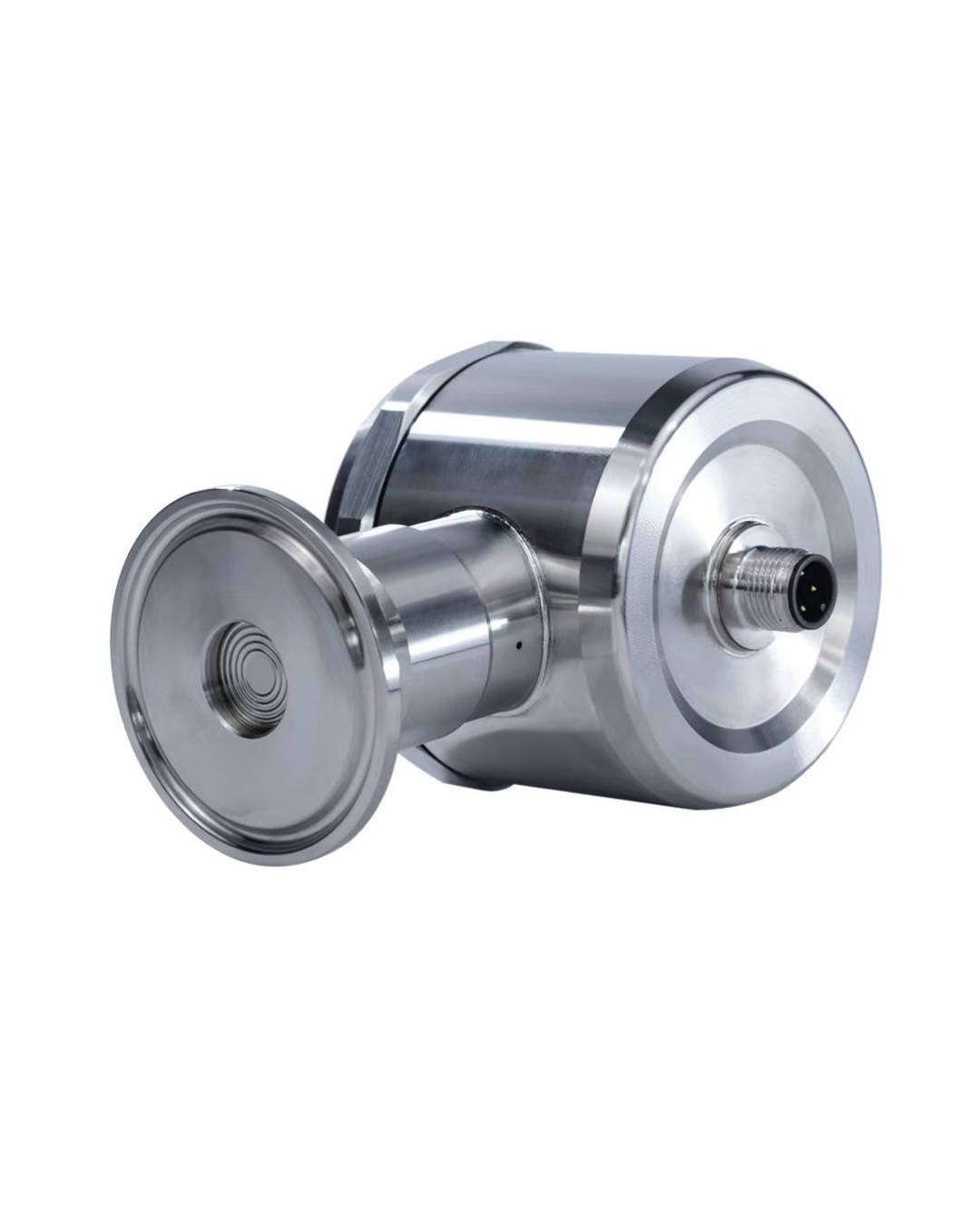
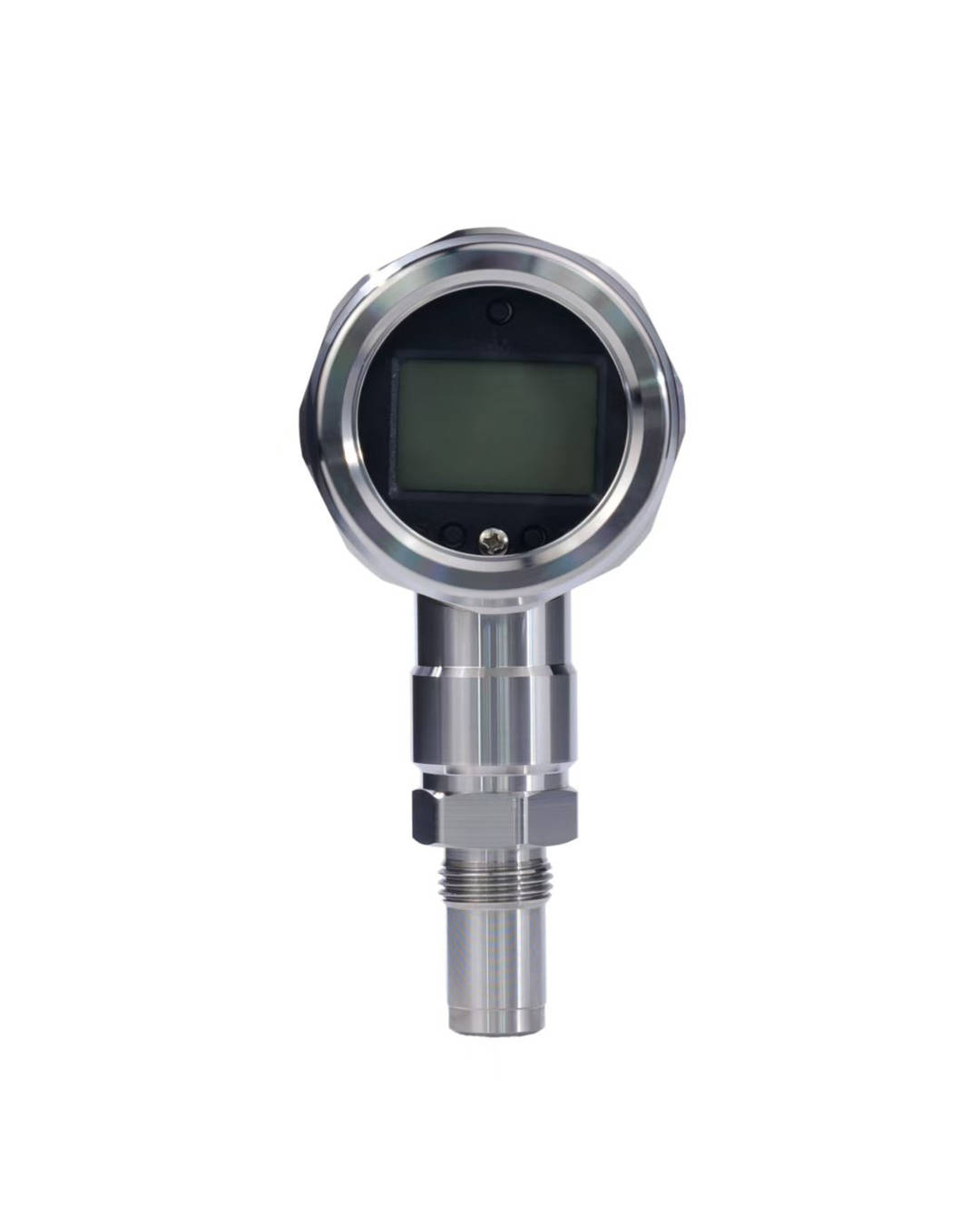
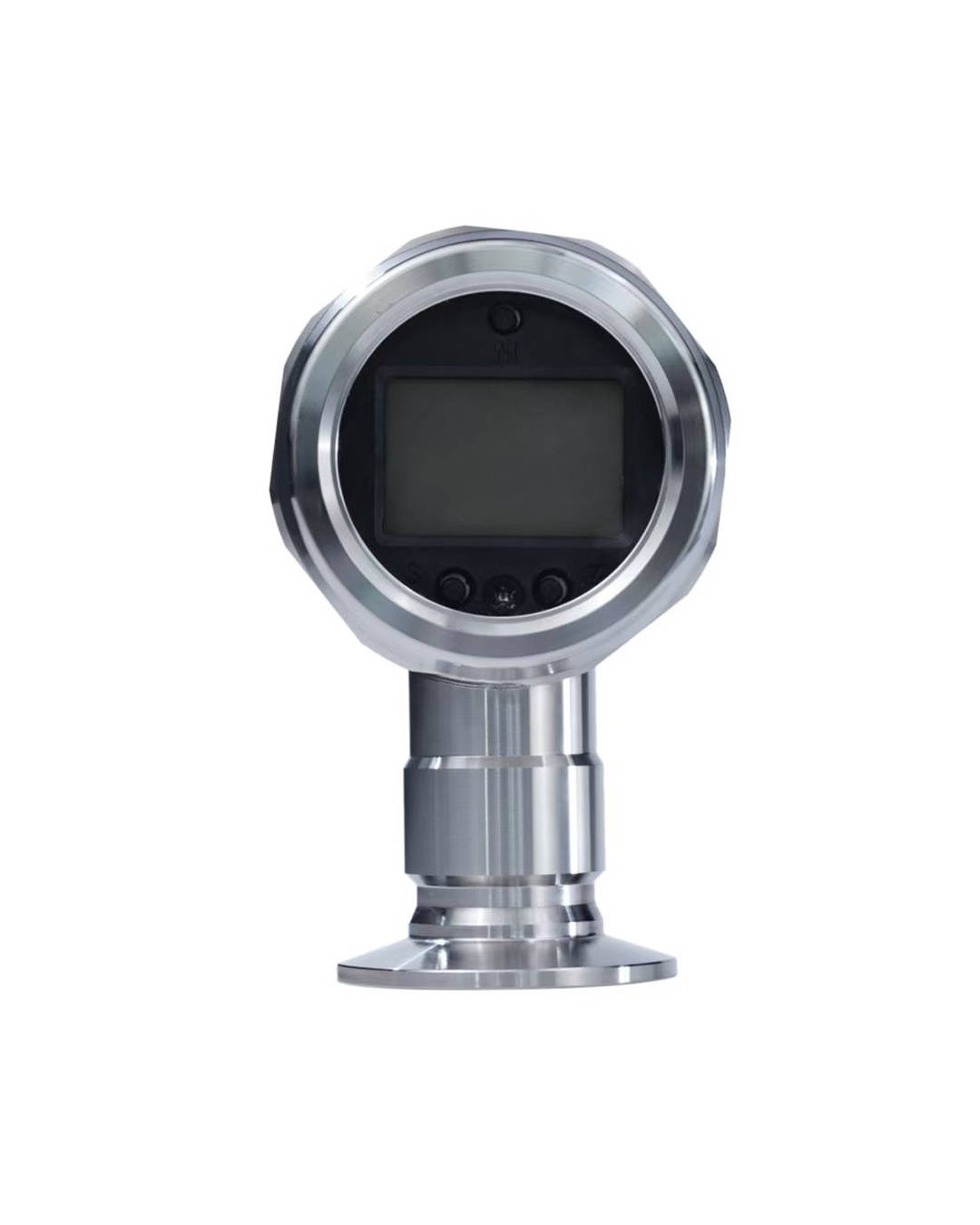
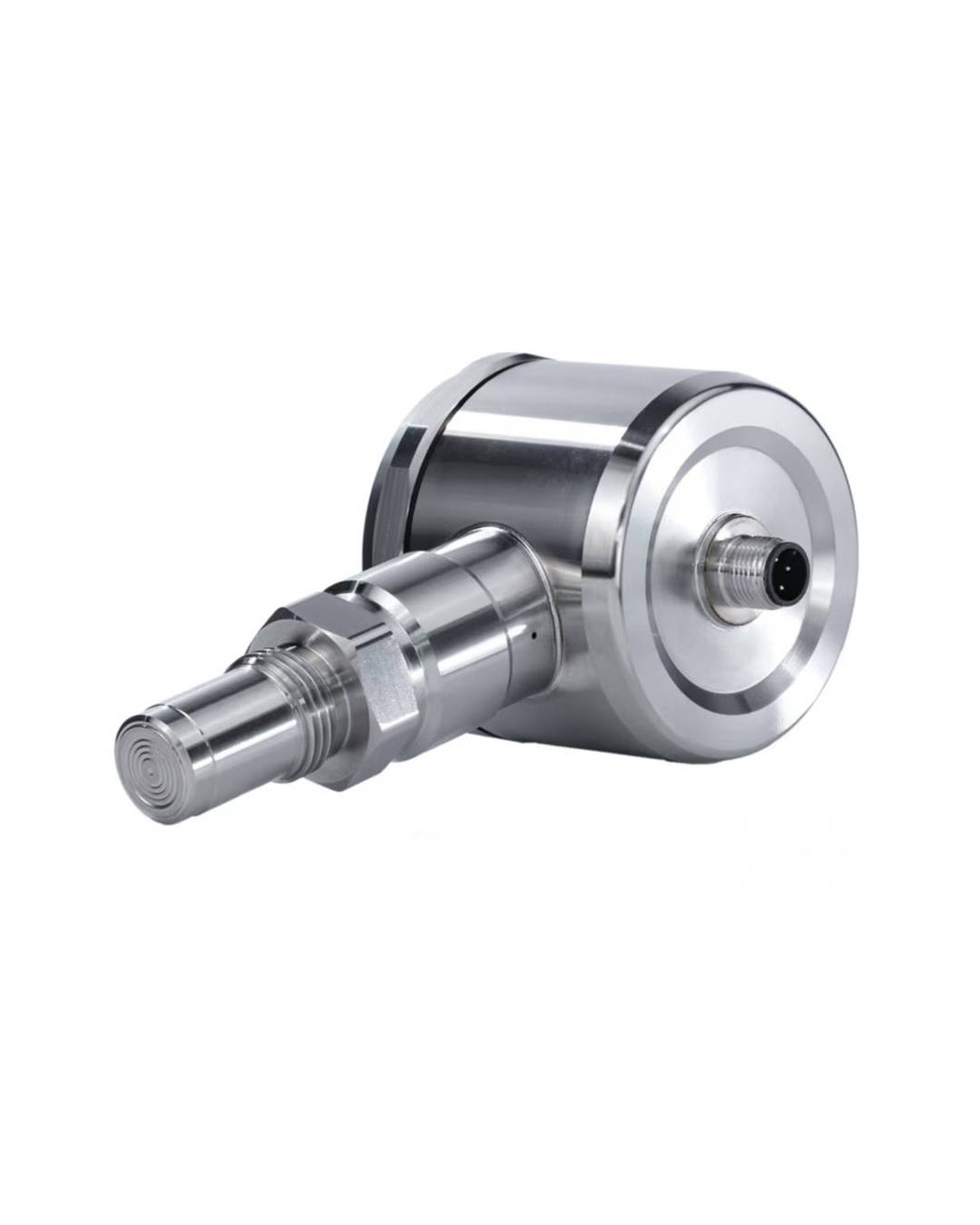
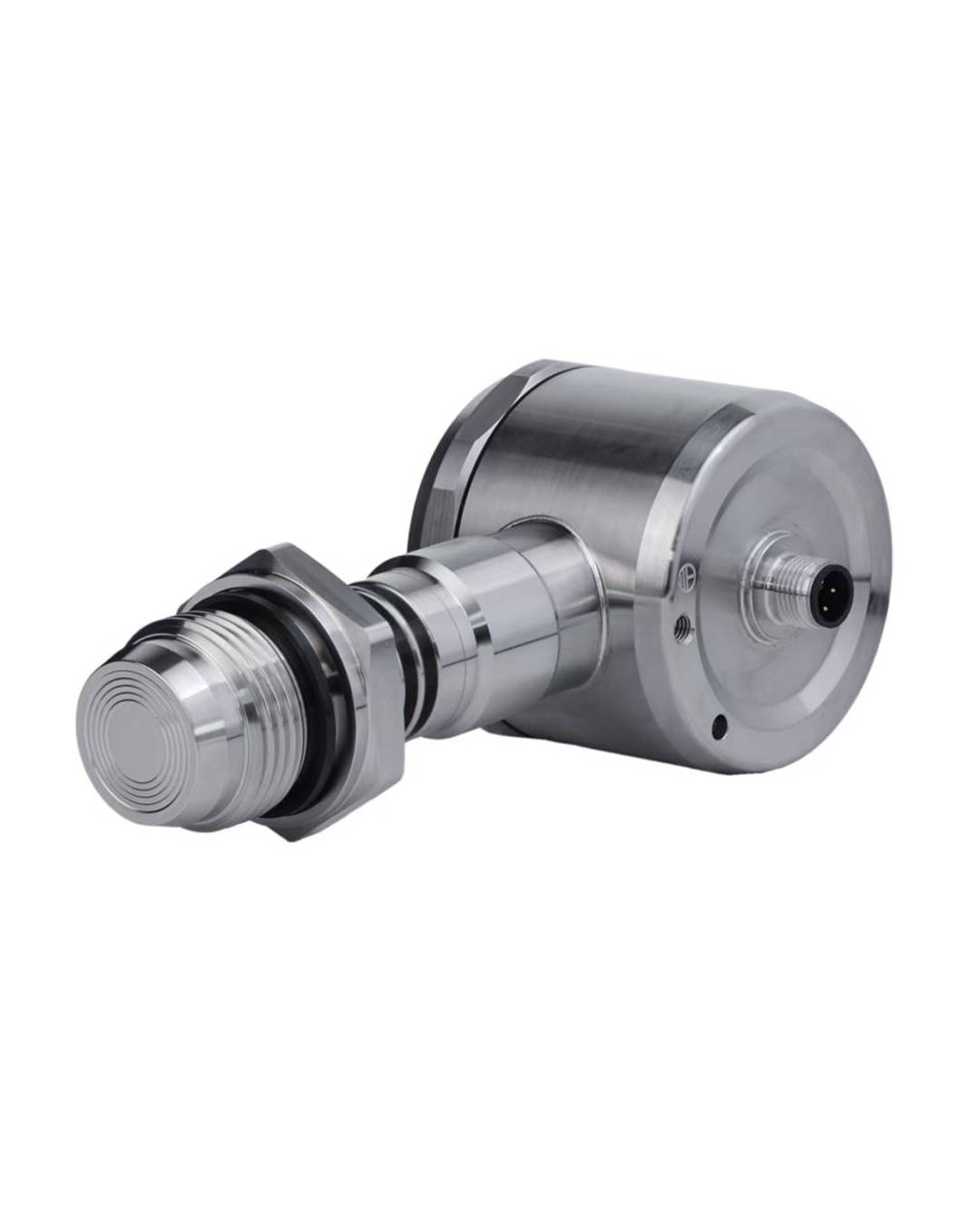
The sanitary pressure transmitter is a pressure measurement instrument specifically designed for industries with strict sanitary requirements, such as food, beverage, pharmaceutical, and bioengineering. Its core features are the use of sanitary-grade materials and a sterile design, ensuring that there are no dead corners in the fluid contact area, easy to clean, and complying with international sanitary standards such as GMP, FDA, and EHEDG.
Core Features
1. Sanitary-grade Structural Design
- Material: 316L stainless steel, Hastelloy, or gold-plated diaphragms, with a surface roughness ≤ 0.8μm (Ra).
- Connection Method: Tri-Clamp (tri-clamp), DIN/SMS flanges, quick-connect couplings, etc., ensuring no gaps and easy disassembly for cleaning.
- No Dead Corners: Flat diaphragms or fully welded structures to avoid medium residue.
2. High Protection Performance
- Protection Level: IP67/IP69K (resistant to high-pressure water flushing).
- High Temperature Resistance: Some models can withstand the high temperatures (above 130°C) and chemical corrosion of CIP/SIP (Clean-in-Place/Sterilization-in-Place).
3. Precise Measurement
- Accuracy: ±0.1% – ±0.5% FS (high-precision models are optional).
- Range: From -0.1 to 0 MPa to 0 to 40 MPa (covering vacuum to high pressure).
4. Signal Output and Compatibility
- Output: 4 – 20mA, HART, RS485, PROFIBUS PA, etc.
- Compatibility: Compatible with PLC/DCS systems and supports remote monitoring.
Typical Application Scenarios
- Food and Beverage: Pressure monitoring during the canning of liquid foods such as milk, juice, and beer.
- Pharmaceutical Industry: Pressure control in bioreactors, fermentation tanks, and purified water systems.
- Cosmetics: Pipe pressure measurement during the production of pastes and lotions.
- Bioengineering: Cell culture and vaccine production in a sterile environment.