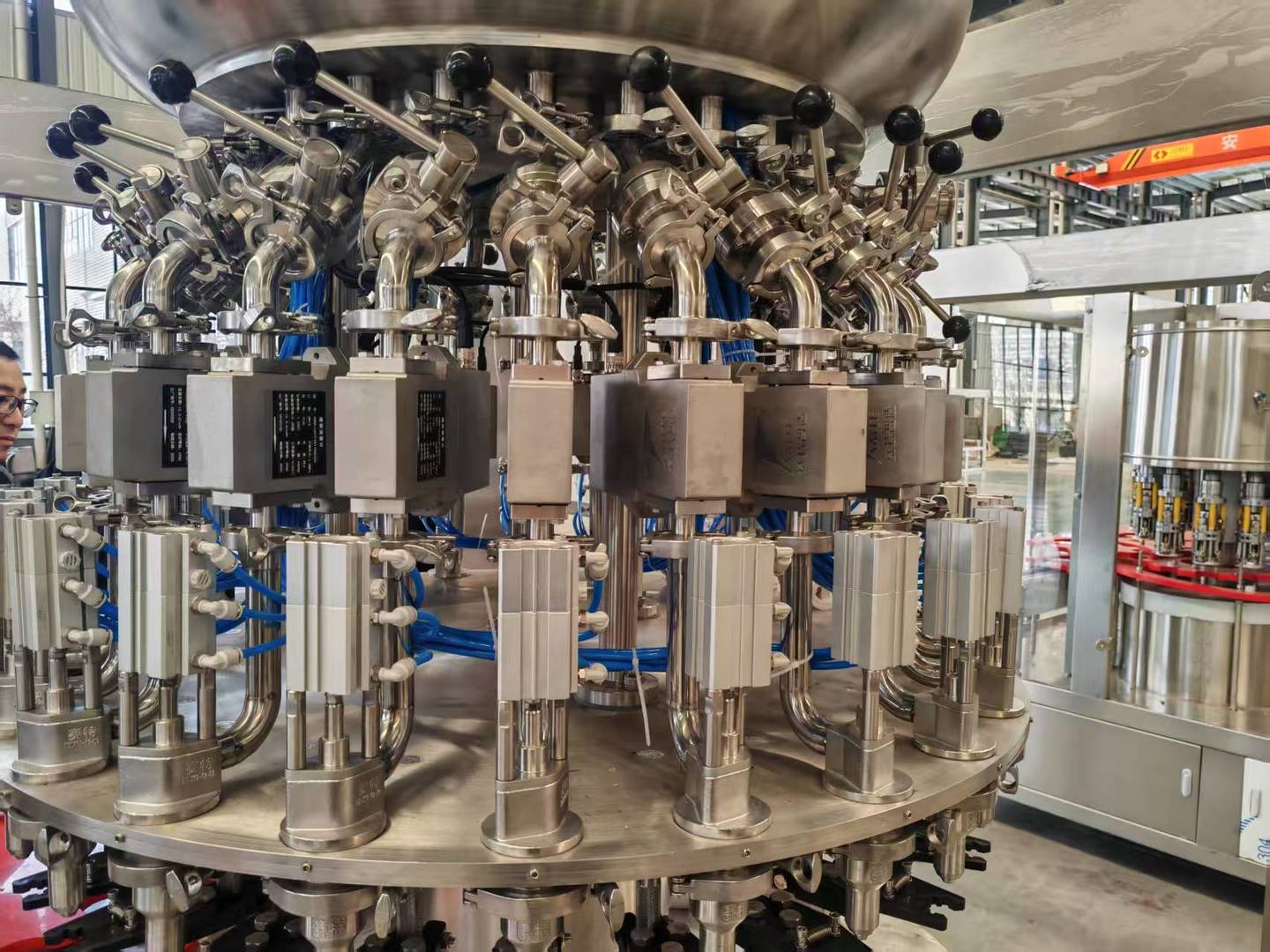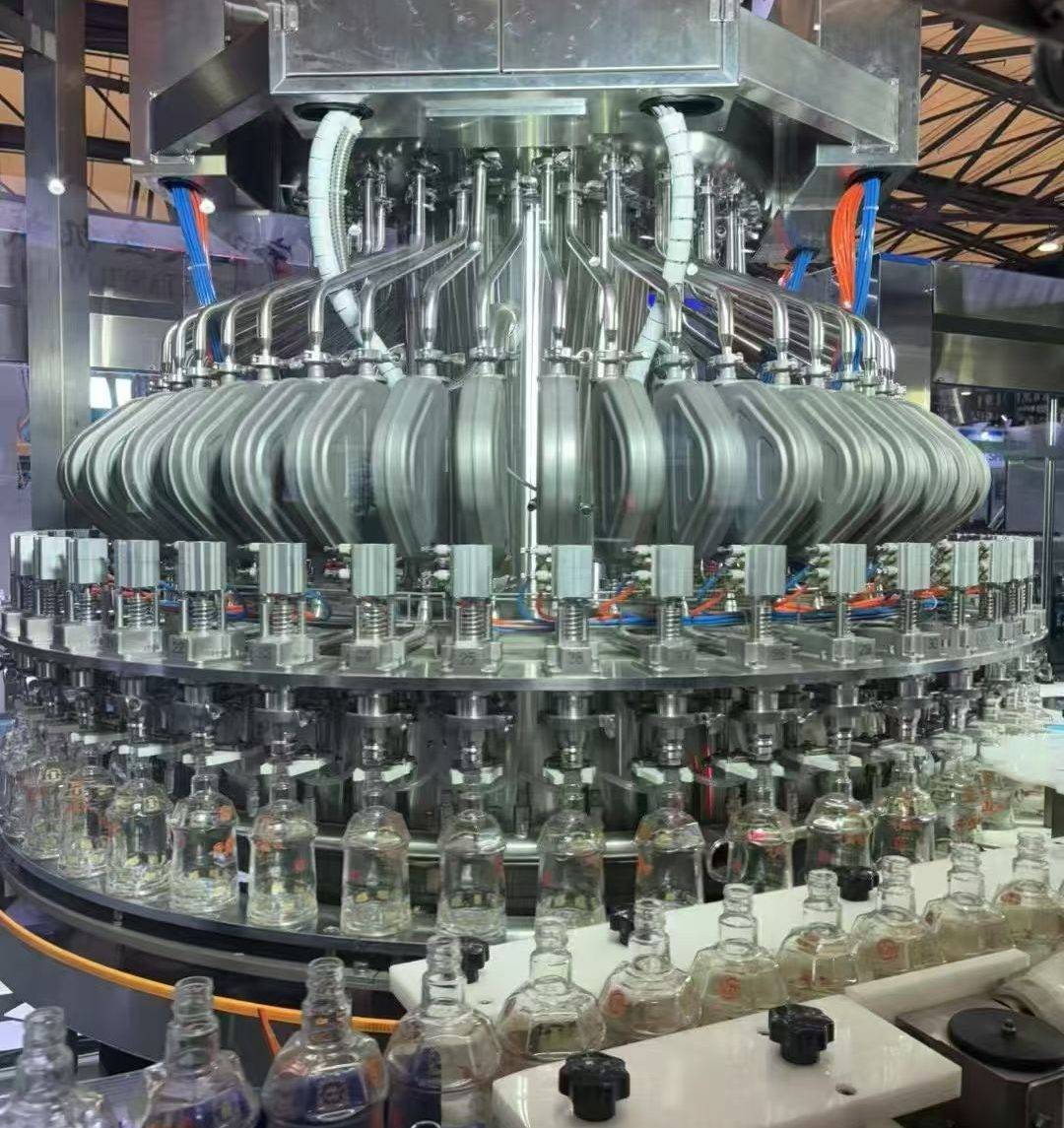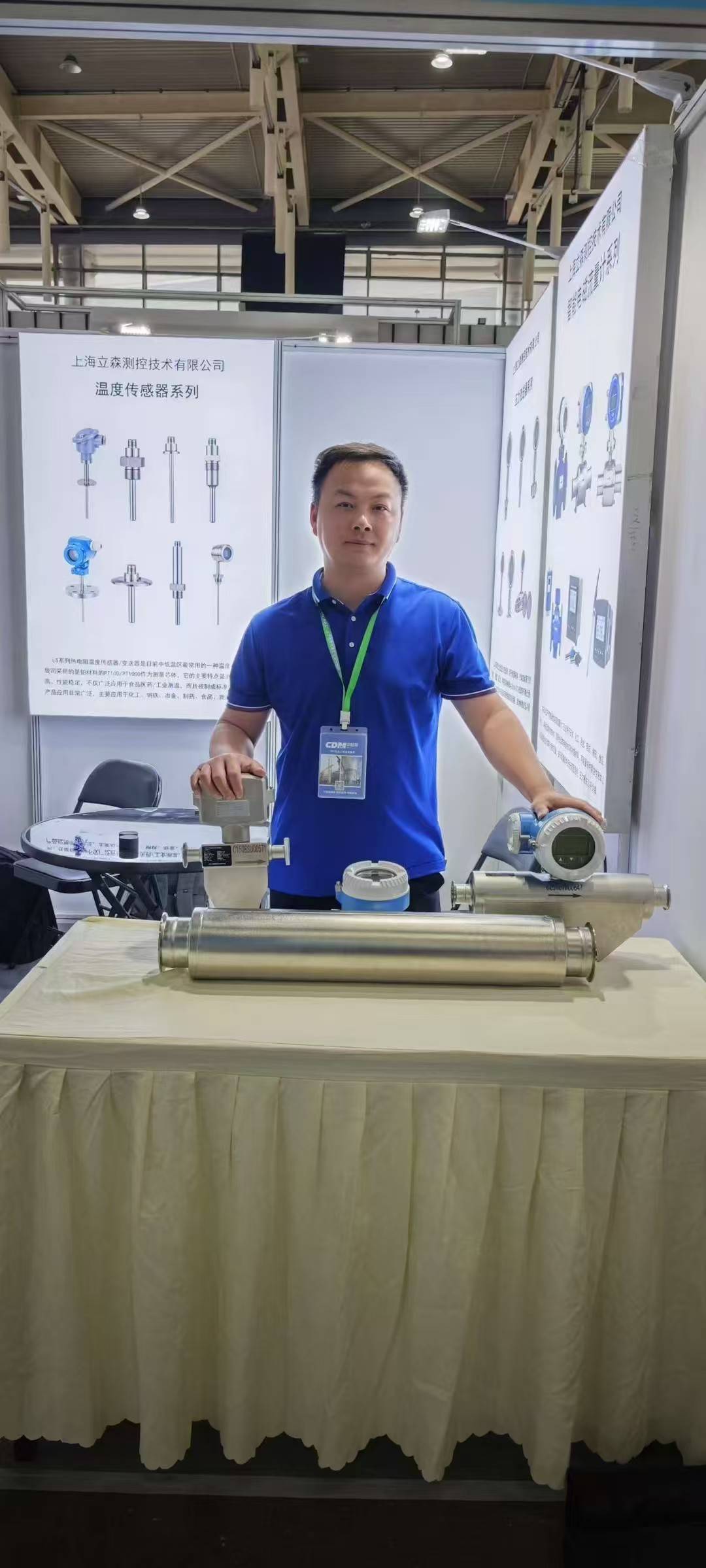
In the dynamic landscape of the packaging industry, achieving accurate and efficient filling operations is paramount. Flowmeters for filling machines have emerged as indispensable tools, revolutionizing how businesses handle liquid – based products. This article delves into the significance, types, and benefits of these flowmeters, providing insights for professionals seeking to enhance their filling processes.
1. The Significance of Flowmeters in Filling Machines
In the realm of liquid filling, precision is key. Flowmeters play a pivotal role in ensuring that the exact volume of liquid is dispensed into each container. Whether it’s a high – volume production line for beverages or a delicate filling operation for pharmaceuticals, an accurate flowmeter can prevent over – filling or under – filling. Over – filling not only leads to product waste but also increases costs, while under – filling can result in customer dissatisfaction and potential legal issues. By precisely measuring the flow rate of the liquid, flowmeters enable manufacturers to maintain consistent product quality and meet regulatory requirements.
2. Types of Flowmeters for Filling Machines
2.1 Positive Displacement Flowmeters
Positive displacement flowmeters work by trapping a fixed volume of fluid within a measuring chamber and then counting the number of times this volume is displaced. These flowmeters are highly accurate, making them suitable for applications where precision is crucial, such as in the food and beverage industry for filling high – value products like premium wines or spirits. They can handle a wide range of viscosities, from thin liquids to thick syrups.
2.2 Turbine Flowmeters
Turbine flowmeters operate based on the principle that the rotation of a turbine within the flow stream is proportional to the flow rate of the liquid. As the liquid passes through the flowmeter, it causes the turbine to spin, and the rotation speed is detected and converted into a flow rate measurement. Turbine flowmeters are known for their high – flow – rate capabilities and are often used in large – scale industrial filling operations, such as filling fuel storage tanks or large – capacity chemical drums.
2.3 Ultrasonic Flowmeters
Ultrasonic flowmeters use ultrasonic waves to measure the flow rate of a liquid. They can be either transit – time or Doppler – based. Transit – time ultrasonic flowmeters measure the time difference between ultrasonic waves traveling with and against the flow direction, while Doppler – based ultrasonic flowmeters detect the frequency shift of ultrasonic waves reflected from particles in the flowing liquid. Ultrasonic flowmeters are non – intrusive, which means they can be installed without disrupting the flow of the liquid, making them ideal for applications where hygiene is a concern, like in the dairy and pharmaceutical industries.
3. Benefits of Using Flowmeters in Filling Machines
3.1 Enhanced Productivity
With accurate flow measurement, filling machines can operate at optimal speeds without the risk of over – or under – filling. This leads to increased production throughput as fewer containers need to be re – processed due to inaccurate filling. For example, in a bottling plant, a well – calibrated flowmeter can ensure that the filling process is continuous and efficient, allowing for a higher number of bottles to be filled per hour.
3.2 Cost Savings
By preventing product waste caused by over – filling, flowmeters help businesses save on raw material costs. Additionally, they reduce the need for manual inspection and re – filling of containers, which in turn cuts down on labor costs. Over time, these cost savings can have a significant impact on the bottom line of a manufacturing operation.
3.3 Quality Assurance
Consistent and accurate filling ensures that each product contains the exact amount of liquid as specified. This is crucial for maintaining brand reputation and customer satisfaction. In industries where product dosage is regulated, such as the pharmaceutical and cosmetics industries, flowmeters help manufacturers meet strict quality control standards.
4. Choosing the Right Flowmeter for Your Filling Machine
When selecting a flowmeter for a filling machine, several factors need to be considered. The type of liquid being filled, its viscosity, flow rate range, and the required accuracy are all important parameters. For example, if filling highly viscous liquids, a positive displacement flowmeter may be the best choice, while for high – flow – rate applications with relatively low – viscosity liquids, a turbine flowmeter could be more suitable. Additionally, factors such as the installation environment (e.g., hygienic requirements, space constraints) and budget also play a role in the decision – making process.
In conclusion, flowmeters for filling machines are essential components in modern – day packaging operations. They offer a combination of precision, efficiency, and cost – effectiveness that can give businesses a competitive edge in the market. By understanding the different types of flowmeters and their benefits, manufacturers can make informed decisions to optimize their filling processes and drive business growth.